Prison education courses have emerged as one of the most evidence-backed strategies for reducing reoffending and rebuilding lives. Across the UK and beyond, correctional facilities are increasingly recognising that access to structured learning behind bars is not a privilege — it is a necessity. From literacy programmes to vocational training and university-level study, these courses are quietly transforming outcomes for incarcerated individuals and the communities they return to.
What prison education courses actually involve
Many people assume prison education courses cover only basic literacy or numeracy, but the reality is far more comprehensive. Modern prison learning programmes span an impressive range of disciplines, from functional skills and digital literacy to creative arts, construction trades, healthcare, and even higher education degrees. The diversity of offerings reflects a growing understanding that rehabilitation is not one-size-fits-all.
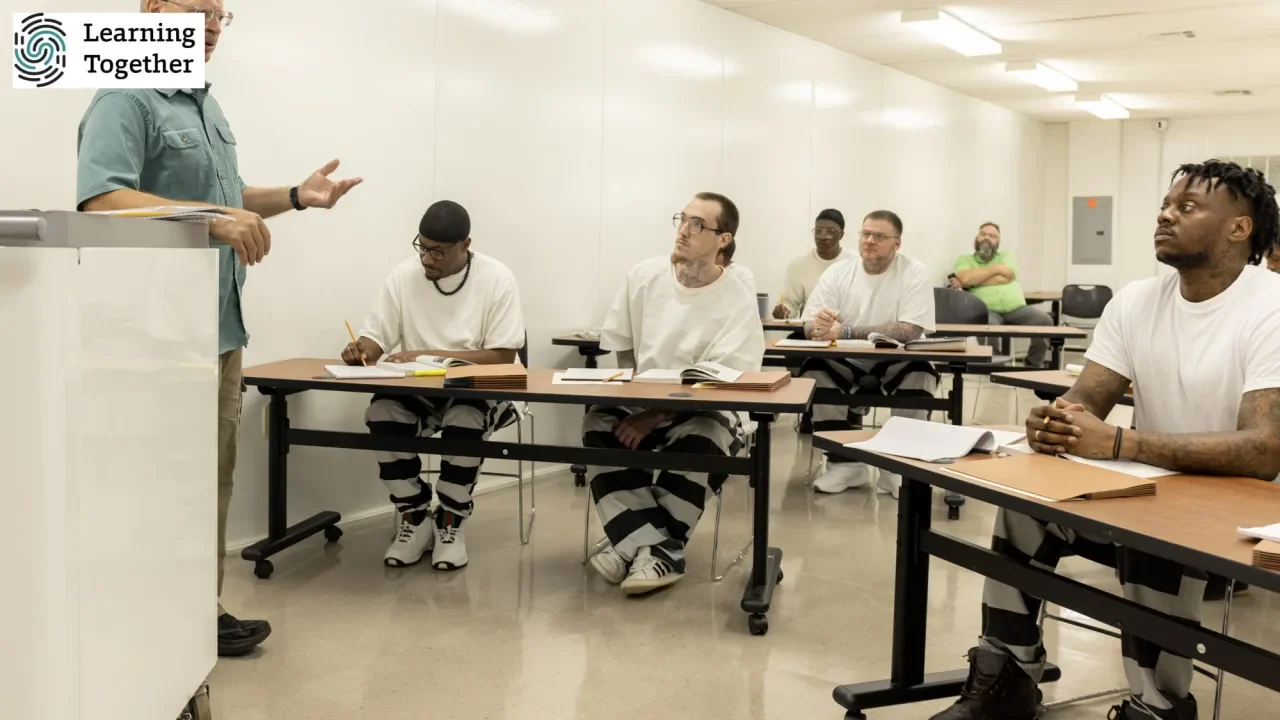
Delivery models vary depending on the facility and partnership arrangements in place. Some courses are taught in dedicated prison classrooms by qualified educators, while others are delivered through distance learning providers, university outreach programmes, or community organisations embedded within the custodial setting.
Core subjects covered in custodial learning
At the foundational level, prison education courses often begin with English and mathematics, particularly for learners who left school without qualifications. These skills form the building blocks for everything else. Tutors are typically trained to work with adults who may carry trauma, learning difficulties, or a deep-seated distrust of formal education — making the relational aspect of teaching critically important.
Vocational and skills-based pathways
Beyond academic subjects, vocational prison education courses equip learners with job-ready skills in areas like plumbing, catering, barbering, horticulture, and logistics. These qualifications are nationally recognised, meaning they carry genuine value on a CV post-release. Employers who participate in prison-to-work pipelines often report that former learners are among their most motivated staff — a detail worth noting for those who question the return on investment.
Higher education opportunities inside prisons
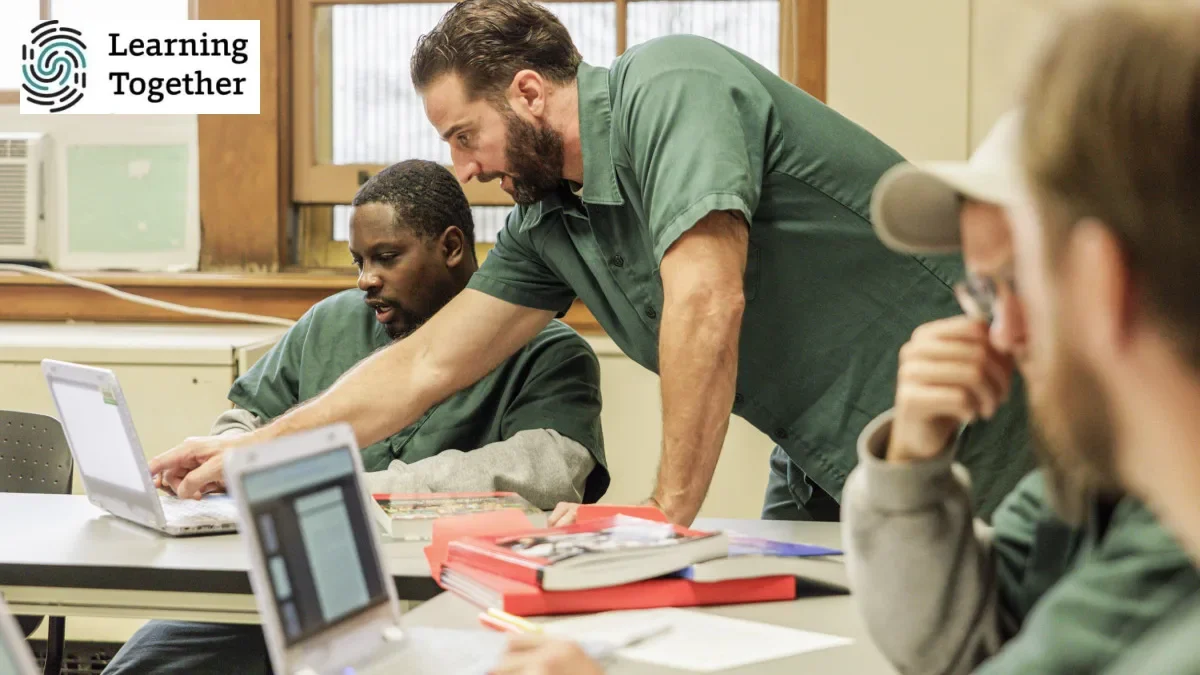
University partnerships have expanded significantly in recent years, giving incarcerated individuals access to degree-level study through organisations committed to prison education. Courses in social science, law, humanities, and business are increasingly available, with some learners completing full qualifications during long sentences. The intellectual rigour involved in higher education also builds confidence and critical thinking — skills that extend well beyond the classroom.
The evidence: why investing in prison education courses matters
The case for prison education courses is not built on optimism alone — it is grounded in robust data. Research consistently shows that participation in education while incarcerated significantly reduces the likelihood of reoffending after release. In the UK, the Ministry of Justice has acknowledged the correlation between educational attainment in custody and reduced reconviction rates, lending institutional weight to what practitioners have long known on the ground.
Xem thêm: How education reduces crime and builds safer communities
The economic argument is equally compelling. Every pound invested in custodial education generates downstream savings in reduced policing, court, and reincarceration costs. For governments managing stretched public budgets, prison education courses represent one of the highest-value interventions available in the criminal justice system.
| Type of course | Typical duration | Key outcomes | Delivery method |
|---|---|---|---|
| Functional skills (English/maths) | 6–12 months | Nationally recognised Level 1–2 qualifications | In-cell workbooks, classroom |
| Vocational training | 3–9 months | Industry-recognised certificates, employment readiness | Workshop, classroom |
| Digital literacy | 4–8 weeks | Basic IT skills, CV preparation | Supervised computer lab |
| Higher education (degree level) | 1–4 years | BA/BSc qualifications, critical thinking development | Distance learning, in-prison university sessions |
| Creative arts and wellbeing | Ongoing | Emotional regulation, confidence building | Workshops, group sessions |
Barriers to prison education courses and how they are being addressed
Despite the clear benefits, participation in prison education courses is not without obstacles. Logistical challenges within custodial settings — including security protocols, staffing shortages, and timetabling conflicts — can interrupt learning continuity. For some learners, previous negative experiences with education create psychological barriers that are just as significant as any structural constraint.

Organisations working in this space have developed trauma-informed, learner-centred approaches specifically to meet these challenges. Rather than replicating a traditional classroom model, effective prison educators build relationships first, understanding that trust is the prerequisite for learning in high-stress environments like custodial settings.
Challenges around continuity and sentence disruption
One of the most persistent barriers facing prison education courses is the disruption caused by transfers between facilities. When a learner is moved mid-course, accreditation records may not follow immediately, progress can be lost, and motivation often suffers. Improving data-sharing systems between prisons is an active policy priority for many organisations advocating for custodial learning reform.
Engaging reluctant learners
Not everyone arrives in custody keen to enrol in a course. Years of disengagement from formal education can leave individuals convinced that learning simply is not for them. Skilled educators working on prison education courses invest considerable effort in initial engagement — meeting people where they are, offering informal tasters, and demonstrating relevance before expecting commitment. Peer mentoring by fellow learners who have experienced the same journey is also a powerful tool for removing stigma.
Funding and resource constraints
Sustained investment remains one of the most pressing challenges. Prison education courses require trained educators, adequate materials, and institutional support — all of which depend on funding that can fluctuate with political priorities. Charitable organisations and social enterprises play an essential role in plugging gaps where statutory provision falls short. Learning Together Network is one such organisation working to build and sustain high-quality learning opportunities across custodial environments.
Conclude
Prison education courses are not simply a rehabilitative tool — they are a statement about what society believes people are capable of, regardless of the mistakes that led them to custody. The evidence is clear, the need is real, and the organisations delivering this work deserve far greater recognition and support. If you want to learn more about how custodial education is changing lives, explore the programmes and resources available through Learning Together Network.