
Every year, thousands of incarcerated individuals seek pathways to education despite being confined behind bars. Distance learning for prisoners has emerged as a powerful solution, enabling inmates to pursue accredited qualifications, develop vocational skills, and rebuild their futures without leaving correctional facilities. Research consistently shows that education behind bars reduces reoffending rates and improves long-term outcomes for both individuals and communities alike.
Why distance learning for prisoners matters in modern rehabilitation
The prison environment presents unique educational challenges. Traditional classroom-based learning is often impractical due to security constraints, staffing limitations, and the movement restrictions placed on incarcerated individuals. Distance learning for prisoners addresses these barriers directly by delivering structured academic content through correspondence courses, digital platforms, and supported self-study programs tailored to custodial settings.
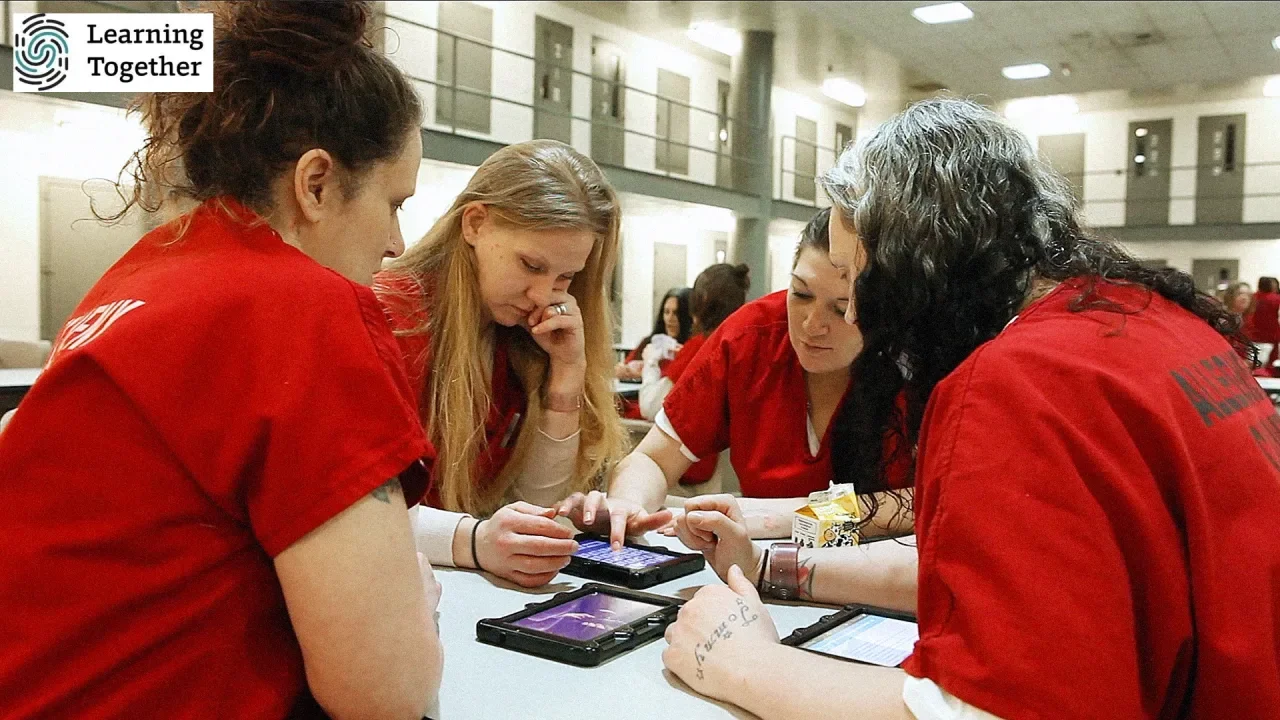
Beyond logistics, the psychological impact of learning while incarcerated is profound. Engaging with meaningful academic content gives prisoners a sense of purpose, restores self-worth, and cultivates skills that translate directly into employment upon release. The evidence supporting education as a rehabilitation tool is compelling, with studies from the Ministry of Justice indicating that prisoners who participate in education are significantly less likely to reoffend within a year of release.
Reducing reoffending through structured education
Distance learning for prisoners plays a central role in breaking cycles of reoffending. When inmates gain qualifications during their sentence, they enter the job market with tangible credentials. Employers are increasingly open to hiring individuals with verified skills, and having a certificate or degree significantly improves post-release employment prospects and social reintegration.
Mental health benefits of learning in custody
Educational engagement in custodial settings is closely linked to improved mental health outcomes. Prisoners enrolled in distance learning for prisoners programs report lower levels of anxiety, reduced feelings of hopelessness, and a stronger sense of agency over their future. Structured learning provides cognitive stimulation that counteracts the psychological deterioration often associated with prolonged incarceration.
Building transferable skills for life after release
Academic qualifications aside, distance learning for prisoners cultivates critical thinking, time management, and self-discipline. These transferable skills are often more valuable to employers than specific subject knowledge. Participants learn how to meet deadlines, manage workloads independently, and engage with complex information, all of which are essential competencies in modern working environments.
Key programs and providers supporting distance learning for prisoners
A range of organisations and institutions currently deliver accredited education into UK prisons. Understanding the options available helps prison educators, governors, and policymakers make informed decisions about which programs best serve their population. The table below provides a comparative overview of major providers currently active in the prison education landscape.
| Provider | Type of learning | Qualification level | Delivery method |
|---|---|---|---|
| Open University | Higher education | Degree, postgraduate | Correspondence, digital |
| Prisoners’ Education Trust | Vocational and academic | Level 1–3 and above | Funded study packs |
| Learning Together Network | Community-based learning | Certificate, diploma | In-prison and distance |
| Novus | Skills and employability | Entry level to Level 3 | Classroom and distance |
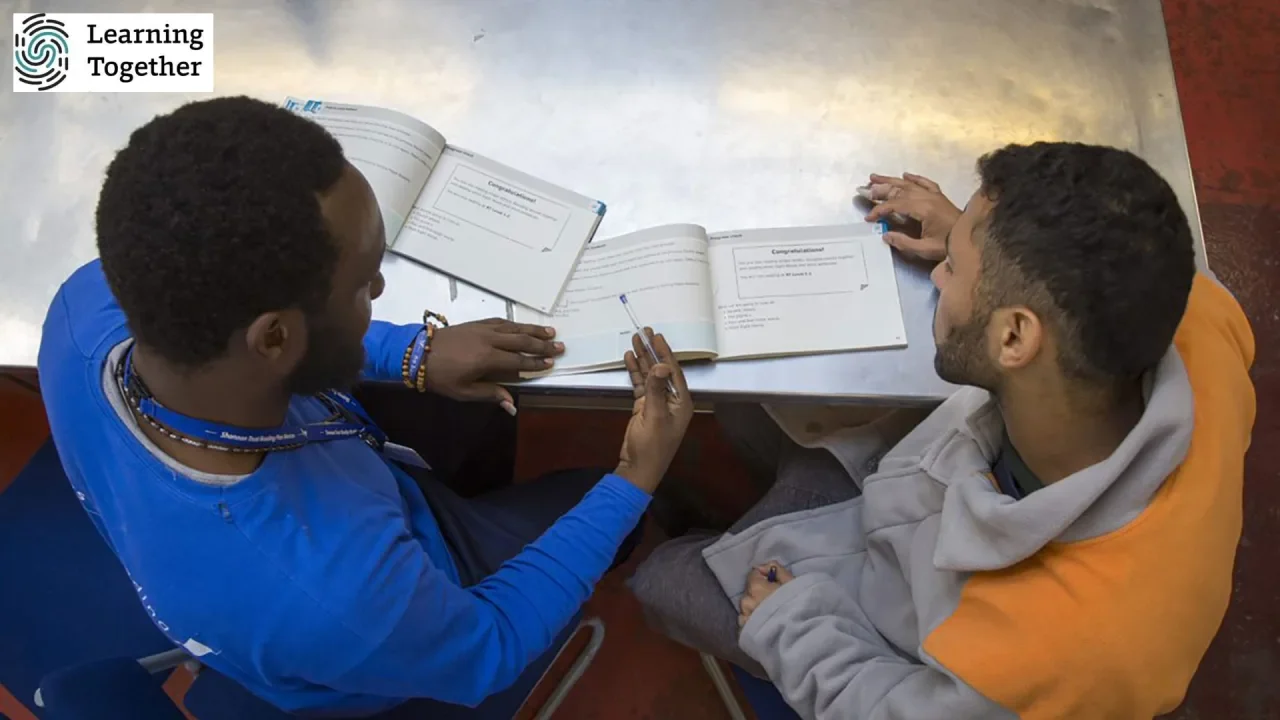
| Shannon Trust | Literacy and numeracy | Foundational | Peer-led distance packs |
Learning Together Network stands out for its commitment to bridging the gap between prison populations and university communities. Their model encourages collaborative learning environments where prisoners and students study together, fostering mutual respect and breaking down social stigma around incarceration.
Xem thêm: Transforming Lives: How Prison education programs Reduce Crime
How to access and implement distance learning for prisoners effectively
Successful implementation of distance learning for prisoners requires coordinated effort across multiple stakeholders. Prison governors, education officers, external providers, and the prisoners themselves all play critical roles. Without a clear operational framework, even well-funded programs can fail to deliver meaningful outcomes at scale.
Assessment and enrollment processes in custody
Before beginning any distance learning for prisoners program, each participant should undergo an initial assessment to identify their current literacy level, prior qualifications, and learning goals. This ensures appropriate course placement and prevents disengagement caused by materials that are too advanced or insufficiently challenging. Early identification of learning difficulties also allows for timely support interventions.
The role of prison education officers
Education officers within prisons serve as the critical link between external learning providers and incarcerated students. They coordinate material delivery, monitor progress, and provide motivational support throughout the learning journey. When prison education officers are well-trained and sufficiently resourced, completion rates for distance learning for prisoners programs improve substantially and student outcomes become more consistent.
Overcoming digital access limitations in prisons
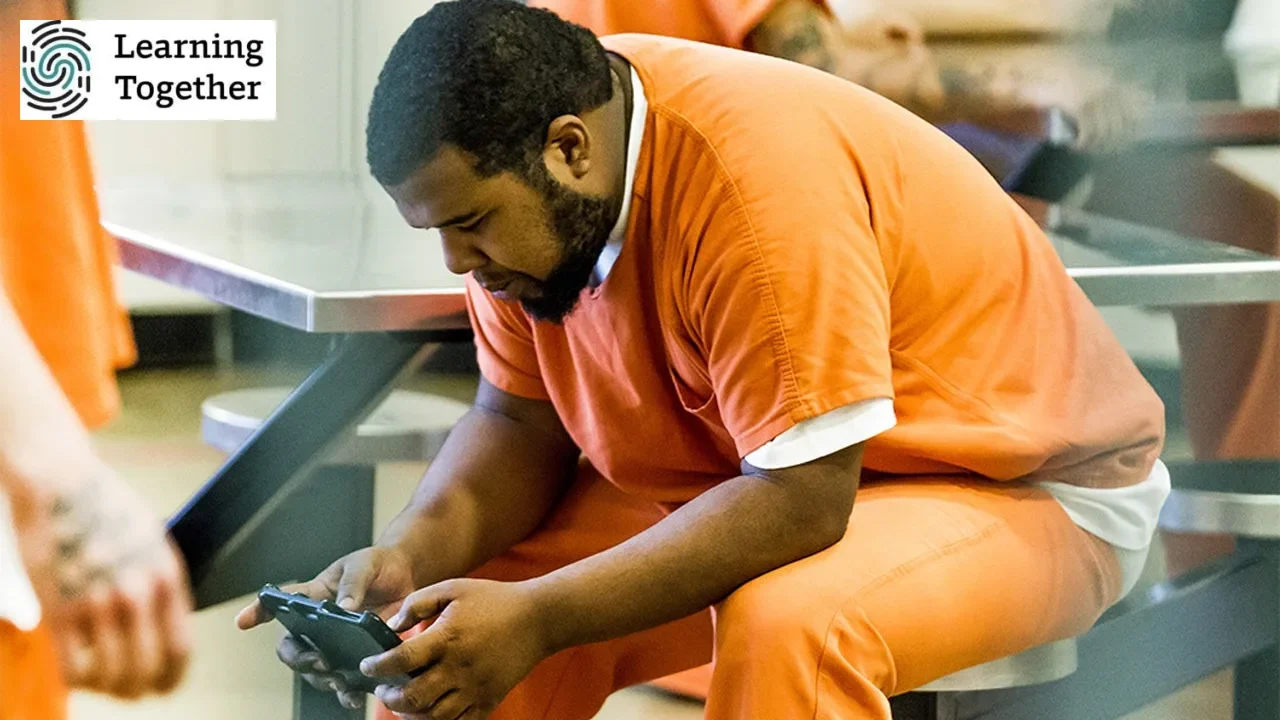
One of the most significant structural barriers to distance learning for prisoners is restricted internet access. Most UK prisons prohibit unrestricted web browsing, meaning many digital learning platforms cannot be used in their standard form. Providers have responded by developing offline-compatible course materials, secure in-cell devices, and dedicated prison education networks that allow digital learning without compromising security protocols.
Conclude
Distance learning for prisoners is not a peripheral policy concern — it is a cornerstone of any credible rehabilitation strategy. When properly resourced and thoughtfully delivered, it transforms lives, strengthens communities, and reduces the long-term costs of reoffending. If you want to explore how structured prison education can make a real difference, the Learning Together Network offers a range of resources and programs designed to support learners at every stage of their custodial journey.