
Access to education behind bars remains one of the most underfunded areas of criminal justice reform. Prison literacy programs have emerged as a powerful intervention, equipping incarcerated individuals with the foundational reading and writing skills they need to rebuild their lives. Research consistently shows that participation in structured literacy education reducesoffending rates and improves long-term social outcomes for those who have served time.
Why prison literacy programs matter more than ever
The scale of illiteracy within correctional facilities is staggering. Studies from the United States, United Kingdom, and Australia estimate that between 60 and 70 percent of incarcerated adults have literacy levels below what is needed for functional employment. Prison literacy programs address this gap directly, targeting individuals who were failed by formal schooling systems long before they ever entered a cell.

Beyond the statistics, the human cost of neglecting in-prison education is enormous. When people leave incarceration without basic literacy skills, their options for stable housing, employment, and civic participation are severely limited. Prison literacy programs interrupt this cycle by giving learners the tools to engage meaningfully with the world outside.
The link between low literacy and reoffending
Research published by correctional education bodies consistently identifies low literacy as a significant risk factor for recidivism. Individuals who cannot read at a functional level struggle to navigate job applications, legal documents, and social services. Prison literacy programs that address these deficits have been shown to cut reoffending rates by up to 43 percent in longitudinal studies.
Who is most affected inside correctional facilities
Literacy challenges inside prisons disproportionately affect those from low-income backgrounds, minority communities, and individuals with undiagnosed learning disabilities. Many entered the justice system having already experienced chronic educational exclusion. Targeted prison literacy programs must account for these intersecting disadvantages to be genuinely effective and equitable.
Peer mentoring as a delivery model
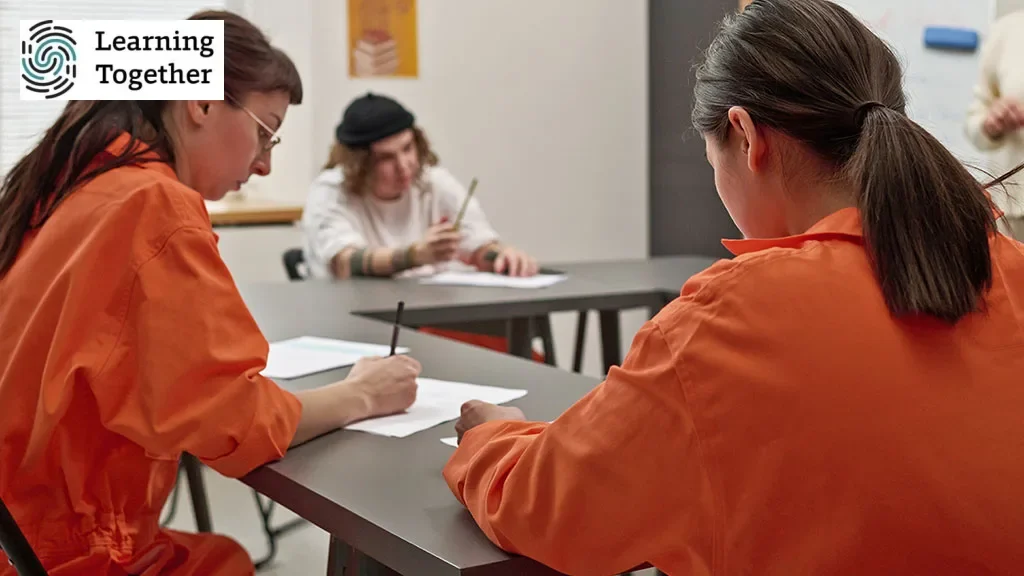
One of the most effective structures for delivering literacy education inside facilities is the peer mentoring model. Trained incarcerated learners support fellow residents, creating trust-based relationships that formal instructors often cannot replicate. Prison literacy programs built around peer support tend to achieve higher engagement and retention rates than traditional classroom formats alone.
Key components of effective prison literacy programs
Not all literacy interventions are created equal. The difference between a program that transforms outcomes and one that simply fills timetable hours often comes down to design, delivery, and ongoing assessment. Understanding what separates high-impact prison literacy programs from superficial ones is essential for policymakers, educators, and advocates working in this space.
| Program component | Why it matters | Example approach |
|---|---|---|
| Initial literacy assessment | Establishes baseline and identifies learning needs | Standardised diagnostic tools on entry |
| Individualised learning plans | Tailors instruction to each learner’s goals | Goal-setting sessions with educators |
| Certified instructors | Ensures quality of teaching and curriculum | Accredited adult literacy specialists |
| Continuity on release | Prevents regression and supports reintegration | Links to community education providers |
| Family and community involvement | Strengthens motivation and external support networks | Family reading sessions and newsletters |
| Digital literacy integration | Prepares learners for a technology-dependent job market | Supervised computer access and training modules |
Xem thêm: higher education in prisons
Prison literacy programs and the path to higher learning
Foundational literacy education does not exist in isolation. For many incarcerated individuals, achieving functional reading and writing is the first step toward accessing formal qualifications, vocational training, and eventually higher education. Prison literacy programs serve as the critical entry point to a broader educational ladder that can fundamentally alter a person’s trajectory after release.

Bridging literacy to vocational qualifications
Once a learner achieves a minimum literacy threshold, doors open to vocational certifications in trades such as construction, catering, and logistics. These qualifications are among the most direct routes to employment post-release. Prison literacy programs that consciously build bridges to vocational pathways see significantly better employment outcomes among graduates within twelve months of release.
The role of organisations like Learning Together Network
Learning Together Network exemplifies a collaborative model that connects incarcerated learners with university partners and community educators. By treating literacy not as a remedial fix but as a genuine educational foundation, this approach respects the full potential of every learner. Prison literacy programs embedded within broader networks like this achieve far greater sustained impact than isolated facility initiatives.
Measuring long-term outcomes beyond the classroom
Tracking the success of prison literacy programs requires looking beyond test scores and completion certificates. Employment rates, housing stability, family reunification, and civic participation are all meaningful indicators. Longitudinal data from programmes in England and Wales show that every pound invested in prison education returns between five and seven pounds in reduced reoffending costs to the state.
Conclude
The evidence is clear and the moral case is compelling. Prison literacy programs are not a luxury or a soft option — they are one of the most cost-effective, humane, and socially productive investments a justice system can make. If you want to support meaningful change in how we educate incarcerated individuals, explore the work being done by Learning Together Network and consider how you can contribute to expanding access to literacy education behind bars.