
Understanding prison education statistics is essential for policymakers, educators, and advocates working to reform the justice system. The data reveals a clear pattern: access to quality education inside correctional facilities significantly reducesoffending rates and improves long-term outcomes for individuals after release. These numbers are not just figures — they represent real lives, real second chances, and a compelling case for systemic investment.
What prison education statistics reveal about reoffending rates
The relationship between education and recidivism is one of the most well-documented areas in criminal justice research. When incarcerated individuals participate in structured learning programmes, the likelihood of reoffending drops substantially. According to major research bodies, those who engage in educational programmes while incarcerated are significantly less likely to return to prison within three years of release.
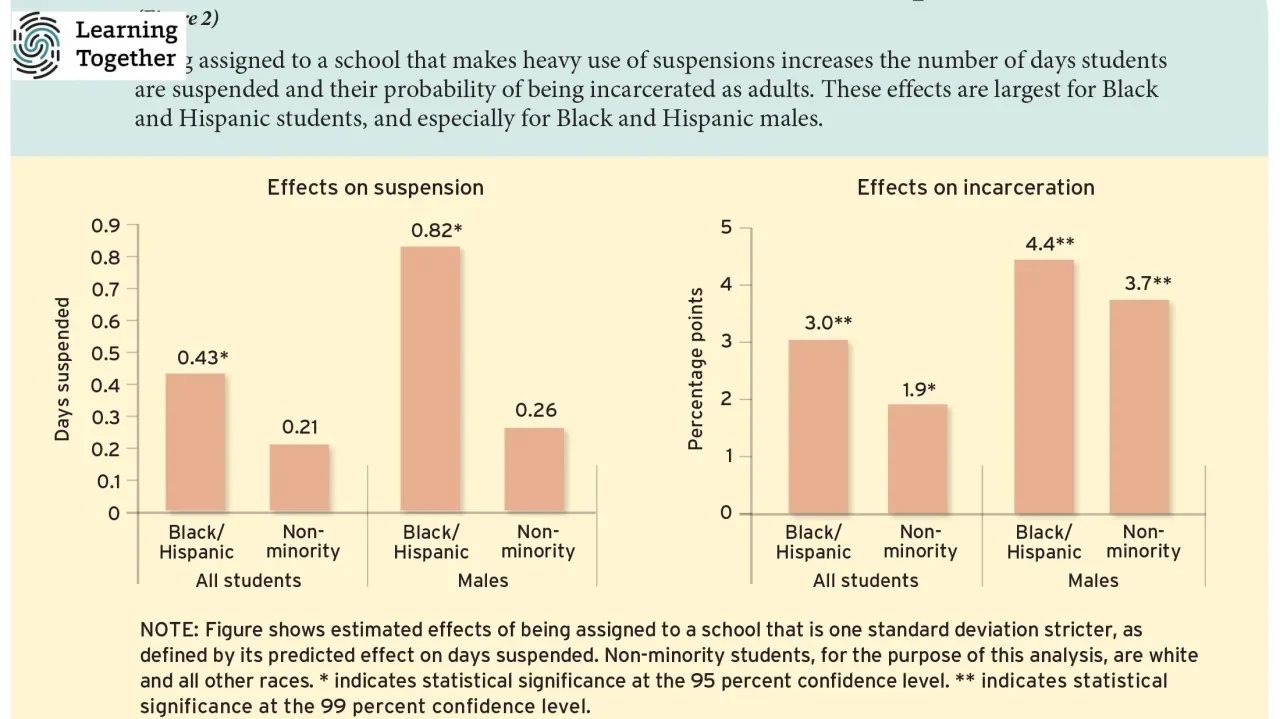
Prison education statistics from the RAND Corporation’s landmark study found that participants in correctional education were 43% less likely to reoffend compared to non-participants. This figure alone makes a strong argument for sustained funding of prison-based learning.
Recidivism and educational attainment
Individuals who complete secondary-level or vocational qualifications while in custody show markedly lower reoffending patterns. The data consistently shows that each additional qualification obtained corresponds to a measurable reduction in the probability of return to custody within five years of release.
The economic case for prison learning programmes
Beyond human outcomes, prison education statistics also carry a strong economic argument. Every dollar or pound invested in correctional education saves approximately four to five times that amount in future incarceration costs. Governments that fund prison-based learning programmes see reduced long-term expenditure on criminal justice infrastructure.
Employment outcomes post-release
One of the most reliable indicators tracked in prison education statistics is post-release employment. Individuals who participated in vocational or academic programmes while incarcerated are considerably more likely to secure stable employment within six months of release, which directly correlates with lower recidivism rates.
Key prison education statistics by the numbers
The following table compiles key data points drawn from credible sources including the Ministry of Justice, the RAND Corporation, and the Prison Reform Trust. These figures provide a snapshot of where prison education stands globally and in the UK specifically.
| Metric | Statistic | Source |
|---|---|---|
| Reduction in reoffending (education participants) | 43% lower recidivism rate | RAND Corporation |
| Employment rate post-release (education participants) | Up to 28% higher than non-participants | Ministry of Justice UK |
| UK prisoners with no qualifications on entry | Approximately 50% | Prison Reform Trust |
| Return on investment per prisoner educated | £4–£5 saved per £1 spent | Justice Data Lab |
| Prisoners with literacy below age 11 level | Nearly 50% | National Literacy Trust |
| Participation in prison education programmes (England and Wales) | Around 60% of sentenced prisoners | HMPPS Annual Report |
Xem thêm: higher education in prisons
Barriers that distort prison education statistics and participation
Despite compelling evidence, prison education statistics also expose persistent structural barriers that prevent full participation. Overcrowding, staff shortages, and inconsistent provision across facilities mean that many incarcerated individuals never access the educational opportunities that could transform their trajectories.

Understanding these barriers is just as important as celebrating success stories. The gap between available provision and actual uptake remains one of the most troubling findings in current prison education statistics from England and Wales.
Funding gaps and inconsistent provision
Education provision varies significantly between prisons. Some facilities offer robust programmes spanning literacy, numeracy, vocational training, and even higher education pathways. Others provide only basic literacy support. Prison education statistics show that this inconsistency creates unequal opportunities depending entirely on where an individual is housed.
The digital divide inside correctional facilities
Access to technology is increasingly recognised as a critical component of modern education. Yet prison education statistics reveal that the majority of incarcerated learners in the UK have no access to the internet or digital learning tools. This places them at a severe disadvantage when preparing for reintegration into a digital economy.
Mental health and learning readiness
A significant proportion of the prison population enters custody with undiagnosed or untreated mental health conditions. These conditions directly affect learning readiness and engagement with education. Prison education statistics that ignore this context risk misrepresenting outcomes. Effective programmes must address both educational and psychological needs to see sustainable results. Learning Together Network recognises this intersection and builds it into its approach to prison-based learning.
Conclude
The evidence is clear and consistent: investing in correctional education transforms lives and reduces the burden on criminal justice systems. Prison education statistics demonstrate that learning inside prison is not a privilege — it is one of the most cost-effective, evidence-backed interventions available to governments today. For those looking to understand the full scope of this issue or to support meaningful reform, Learning Together Network offers resources, research, and community-led programmes that put these statistics into action.