
Prison Education Programs Create New Opportunities for Inmates
Prison education programs have become an essential part of modern correctional systems. These programs provide inmates with opportunities to improve literacy, gain professional skills, and continue academic studies while serving their sentences. Education inside correctional facilities not only benefits incarcerated individuals but also creates positive impacts for families, communities, and society as a whole. By focusing on rehabilitation instead of punishment alone, prison education helps individuals rebuild their lives and prepare for a productive future after release at Learning Together Network.
The Importance Of Prison Education Programs
Education in correctional facilities plays a critical role in helping inmates develop personal responsibility and practical knowledge. Many prisoners enter the system with limited education, low literacy levels, or a lack of employable skills. Prison education programs are designed to address these challenges while encouraging positive personal growth.
Improving Literacy And Basic Education
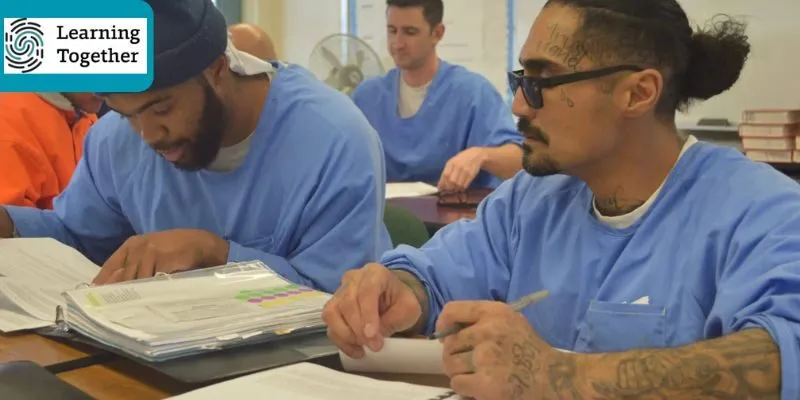
One of the most important goals of prison education programs is improving literacy and basic educational skills among inmates. Many incarcerated individuals struggle with reading, writing, and mathematics, making it difficult for them to find stable employment after release. Basic education classes help prisoners strengthen these foundational skills while building confidence and motivation.
Supporting Personal Development
Prison education programs also contribute significantly to personal development and emotional growth. Education encourages inmates to think critically, solve problems, and reflect on their life choices in a constructive way. Many programs include courses in communication, anger management, and personal responsibility, which can improve behavior within correctional facilities.
Reducing Recidivism Rates
One of the strongest arguments in favor of prison education programs is their ability to reduce recidivism rates. Studies consistently show that inmates who participate in educational programs are less likely to return to prison after release. Education increases employment opportunities, which helps former inmates achieve financial stability and avoid criminal activity. By providing inmates with practical tools for success, correctional education programs help break cycles of crime and support safer communities.
Types Of Prison Education Programs Available
Correctional facilities around the world offer different forms of educational opportunities depending on resources, inmate needs, and rehabilitation goals. These programs range from basic literacy classes to vocational training and higher education courses.
Vocational and Technical Training
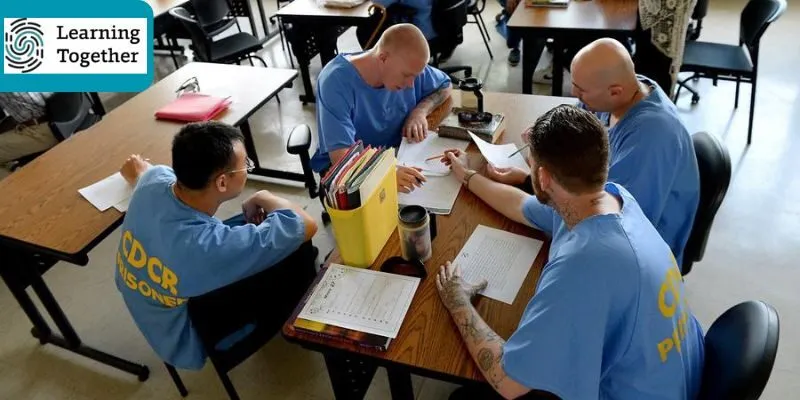
Vocational and technical training programs are among the most popular forms of prison education. These courses teach practical job skills that inmates can use immediately after release. Common training areas include carpentry, plumbing, electrical work, culinary arts, computer skills, and automotive repair. By learning hands-on trades, inmates increase their chances of finding stable employment in industries with high demand for skilled workers.
College and Higher Education Opportunities
Many correctional institutions now provide access to college-level education through partnerships with universities and online learning platforms. These prison education programs allow inmates to earn certificates, diplomas, or even bachelor’s degrees while incarcerated. Higher education challenges inmates intellectually and encourages long-term career planning. Individuals who complete college programs during incarceration often experience improved self-confidence and stronger motivation to pursue lawful opportunities after release.
Life Skills and Behavioral Education
In addition to academic and vocational courses, many prisons offer life skills and behavioral education programs. These classes focus on practical areas such as financial literacy, parenting, communication, stress management, and conflict resolution. Such programs are valuable because they prepare inmates for daily responsibilities after returning to society. Learning how to manage money, maintain healthy relationships, and handle workplace expectations can significantly improve reintegration outcomes.
Benefits Of Prison Education Programs For Society
The impact of prison education programs extends beyond correctional facilities. These initiatives create long-term advantages for communities, governments, employers, and families by helping former inmates become productive members of society.
Strengthening Workforce Opportunities
Prison education programs contribute to workforce development by preparing inmates for employment after release. Many industries face labor shortages and need trained workers with practical skills. Former inmates who complete vocational or academic programs can fill these gaps and contribute positively to the economy. Employers may also benefit from hiring individuals who have demonstrated commitment to personal growth and education. S
Lowering Costs for Correctional Systems
Educational programs inside prisons can also reduce long-term costs for correctional systems and taxpayers. When recidivism rates decline, governments spend less money on repeated incarceration, legal proceedings, and prison management. Investing in education is often more cost-effective than dealing with the consequences of continued criminal activity. Prison education programs therefore provide both social and economic benefits by promoting rehabilitation instead of repeated punishment.
Supporting Families and Communities
The positive effects of prison education often extend to inmates’ families and local communities. Educated former inmates are more likely to secure employment, support their children, and maintain healthier relationships after release. This stability can reduce poverty, improve family structures, and create better opportunities for future generations. Communities also benefit from reduced crime rates and stronger social reintegration efforts.
Challenges Facing Prison Education Programs
Although prison education programs provide many benefits, they also face several challenges that can limit their effectiveness. Funding issues, limited access to resources, and social stigma often make it difficult for correctional facilities to provide high-quality educational opportunities.
Limited Funding and Resources
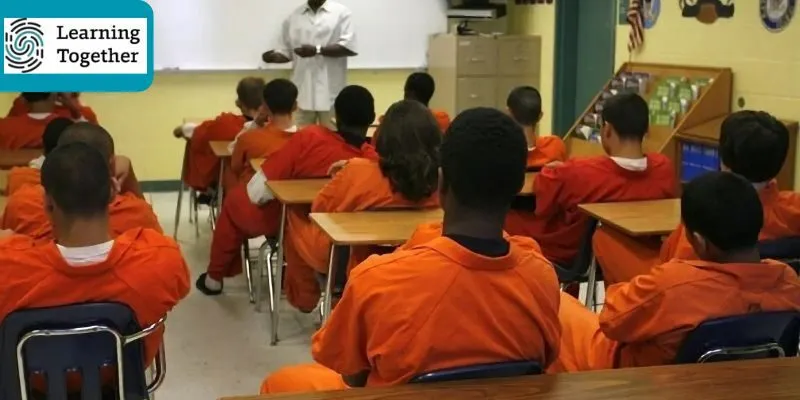
One major challenge facing prison education programs is the lack of sufficient funding and educational resources. Many correctional institutions operate under strict budgets and prioritize security needs over educational development. As a result, some prisons may not have enough qualified teachers, updated materials, or technology to support effective learning. Limited classroom space and overcrowding can also restrict inmate participation.
Technology and Access Restrictions
Modern education increasingly depends on digital tools and internet-based learning, but correctional facilities often limit technology access for security reasons. While these restrictions are understandable, they can create barriers to effective education. Many inmates do not have opportunities to develop digital literacy or access online educational platforms commonly used in today’s workforce.
Social Stigma After Release
Even after completing prison education programs, former inmates may face social stigma and discrimination when seeking employment or rebuilding their lives. Some employers hesitate to hire individuals with criminal records despite their educational achievements and rehabilitation efforts. This lack of opportunity can discourage former inmates and increase the risk of reoffending.
The Future Of Prison Education Programs
As more governments and organizations recognize the value of rehabilitation, prison education programs continue to evolve. Innovations in technology, partnerships with educational institutions, and policy reforms are creating new opportunities for correctional education.
Expanding Online Learning Opportunities
Online learning platforms have the potential to transform prison education programs in the future. Secure digital systems can provide inmates with access to a wider range of courses, certifications, and educational resources. Virtual learning also allows prisons to collaborate with universities and training providers from different regions. Expanding online education can make learning more flexible and personalized for inmates with different educational backgrounds and career goals.
Building Partnerships With Communities
Strong partnerships between prisons, educational institutions, nonprofit organizations, and employers can improve the effectiveness of correctional education. Community partnerships may provide mentorship, internships, and job placement opportunities for inmates preparing for release. These collaborations help bridge the ga.
>>> Read more: Offender Rehabilitation Programs For Safer Communities 2026!
Conclusion
Prison education programs provide inmates with opportunities to improve literacy, gain professional skills, and develop the knowledge needed for a successful future. These programs reduce recidivism, strengthen families, and create safer communities by supporting rehabilitation instead of punishment alone. Although challenges such as limited funding and public stigma still exist, the long-term benefits of prison education are clear.