
How education reduces crime is a question that policymakers, parents, and communities keep asking as they look for sustainable ways to build safer societies. Decades of research show that schooling does much more than improve job prospects; it shapes behavior, values, and social cohesion. When people gain knowledge, skills, and a sense of future opportunity, they are far less likely to engage in violence, theft, or other unlawful activities at Learning Together Network.
Understanding The Link: How Education Reduces Crime In Society
To grasp how education reduces crime, we first need to look at the broader relationship between learning, opportunity, and social behavior. Education influences everything from income levels to mental health and civic engagement, all of which affect crime rates. Instead of focusing only on punishment, many experts now emphasize investment in schools as a powerful form of crime prevention.

Education As A Protective Social Factor
Researchers consistently find that higher levels of schooling act as a protective shield against criminal involvement, illustrating clearly how education reduces crime. Students who stay in school longer are more likely to develop stable life plans, healthier relationships, and stronger ties to their communities. These connections create informal social controls that discourage risky behavior.
Human Capital, Income, And Lawful Opportunities
Another key explanation for how education reduces crime lies in the concept of human capital. Schooling builds skills that employers need, from literacy and numeracy to teamwork and problem solving. As individuals gain qualifications, their chances of securing stable, legal employment rise, making criminal activities less attractive by comparison.
Social Norms, Values And Civic Responsibility
Schools do not just transfer knowledge; they socialize young people into shared values, and this is central to understanding how education reduces crime. Classroom discussions about ethics, citizenship, and human rights help students internalize rules that protect others. Participation in group projects, clubs, and sports teaches respect, cooperation, and fair play.
Key Mechanisms: How Education Reduces Crime Across Ages
There are multiple pathways through which how education reduces crime becomes visible in real life, from early childhood to adulthood. Each stage of learning offers different tools that either prevent offending or support rehabilitation. By examining these mechanisms, policymakers can identify which interventions give the greatest return on investment.

Early Childhood Education And Long-Term Outcomes
Longitudinal studies show that quality preschool programs are one of the most powerful examples of how education reduces crime in the long run. Children who attend structured early learning centers develop better self-control, language skills, and emotional regulation. These abilities help them succeed in primary school, reducing later dropout rates. As adults, they are more likely to be employed and less likely to be arrested.
Primary And Secondary Schooling As A Turning Point
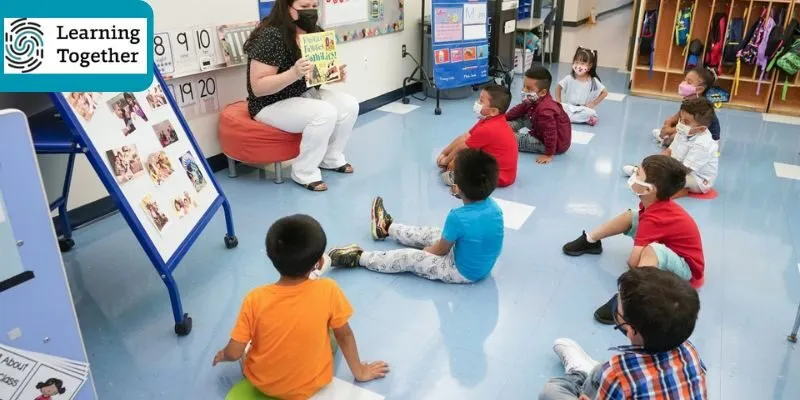
Primary and secondary schools sit at the heart of how education reduces crime for teenagers, a group statistically more prone to risky behavior. Regular attendance keeps young people supervised during peak hours for juvenile offending, limiting opportunities for unsupervised trouble. At the same time, teachers can identify learning difficulties, trauma, or behavioral issues early and connect students with counseling or special support.
Higher Education, Aspirations, And Life Trajectories
At the tertiary level, universities and vocational institutes further demonstrate how education reduces crime by reshaping life trajectories. Access to college or technical training raises aspirations and expands social networks beyond local neighborhoods that may be dominated by gangs or informal economies. Students encounter diverse perspectives, learn to debate without violence, and gain credentials that open doors in the labor market.
| Education stage | Main benefits | Impact on crime reduction |
| Early childhood | Self-control, emotional skills, basic literacy | Lower risk of later delinquency and gang involvement |
| Primary school | Foundational knowledge, socialization, routines | Reduces truancy, improves behavior and conflict resolution |
| Secondary school | Critical thinking, identity formation, peer networks | Lowers youth crime, substance abuse, and dropout-driven offending |
| Higher education / vocational | Job skills, professional identity, wider opportunities | Decreases adult offending through stable employment and status |
Community-Level Impacts: How Education Reduces Crime In Neighborhoods
When many individuals gain more schooling, the collective effect shows clearly how education reduces crime at the neighborhood level. Educated residents tend to organize more effectively, demand better public services, and cooperate with local authorities. Schools themselves act as community hubs where parents, teachers, and students interact. These relationships build trust, which is essential for preventing violence and resolving disputes peacefully.
Stronger Social Cohesion And Informal Control
One reason how education reduces crime is visible in certain areas is the rise in social cohesion. Educated parents are more likely to monitor their children’s activities, engage with schools, and coordinate with neighbors. This informal supervision makes it harder for gangs or drug dealers to recruit youth. Residents who share common educational experiences also find it easier to communicate and solve problems together.
Economic Development And Reduced Inequality
Local economies also show how education reduces crime by stimulating legal business growth. A skilled workforce attracts investment, leading to more jobs and higher wages. With better opportunities available, fewer residents feel compelled to rely on theft, fraud, or underground markets. At the same time, education can narrow income gaps that often fuel resentment and social tension.
Schools As Safe Spaces And Prevention Centers
Many cities now use schools as prevention hubs, another example of how education reduces crime through community services. Campuses host after-school programs, counseling centers, and workshops on conflict resolution or digital safety. Police officers, social workers, and NGOs collaborate with teachers to reach at-risk youth before they become deeply involved in delinquent groups.
Policy Strategies: How Education Reduces Crime Through Smart Investment
Governments seeking evidence-based answers on how education reduces crime increasingly view schooling as a strategic investment rather than a cost. Well-designed policies can break cycles of poverty and offending more effectively than short-term law enforcement campaigns. By channeling resources into early education, teacher training, and inclusive curricula, authorities can address root causes instead of symptoms.
Targeting High-Risk Groups And Dropout Prevention
One practical way how education reduces crime becomes reality is through focused support for students at risk of leaving school. Dropout is strongly correlated with later offending, especially in marginalized communities. Effective strategies include mentoring programs, flexible schedules, and alternative learning pathways for those who must work or care for family members.
Curriculum Reforms And Life-Skills Training
Modern curricula are being redesigned to highlight how education reduces crime by teaching life skills alongside academic content. Lessons in emotional intelligence, financial literacy, and digital citizenship help students navigate real-world pressures. Role-playing exercises on negotiation and mediation show peaceful ways to handle conflict.
- Integrating social-emotional learning into daily lessons
- Offering vocational tracks linked to real labor market needs
- Partnering with community organizations for mentoring
- Providing mental health support within school premises
Education In Prisons And Rehabilitation Programs
Correctional education is another powerful illustration of how education reduces crime by cutting reoffending rates. Inmates who complete literacy courses, vocational training, or even university degrees while incarcerated are significantly less likely to return to prison. Learning gives them a sense of dignity, competence, and hope, which are essential for reintegration.
>>> Read more: Prisoners Learning Program Building Skills for New Lives Hub
Conclusion
Understanding how education reduces crime requires looking beyond simple cause-and-effect and recognizing the many ways that learning reshapes lives and communities. From early childhood classrooms to university lecture halls and prison education units, each stage builds skills, values, and opportunities that make lawful living more attractive than offending.