
Education for social change is rapidly becoming a central approach for schools, universities, and community programs that want to build a more just and sustainable world. Instead of focusing only on exams and credentials, this philosophy encourages critical thinking, civic engagement, and ethical responsibility. By linking learning to real social issues such as inequality, climate justice, and human rights, it helps students see themselves as active citizens at Learning Together Network.
Why Education For Social Change Matters In Today’s World
In a time of deep inequality, political polarization, and environmental crisis, education for social change offers a powerful framework to reconnect learning with real life. Traditional schooling often separates knowledge from action, leaving learners feeling powerless. This approach, however, helps them understand systems, question injustice, and imagine alternatives.
From Passive Learning To Critical Consciousness
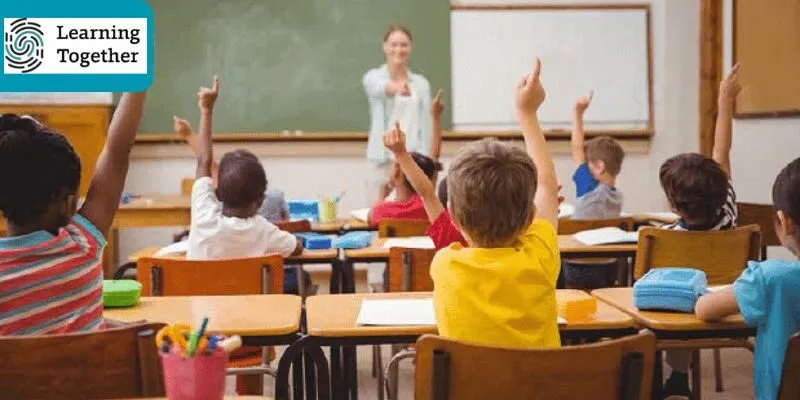
One of the core goals of education for social change is to move students from passive receivers of information to active co-creators of knowledge. Influenced by critical pedagogy, it invites learners to question whose voices are heard, whose stories are silenced, and how power operates in everyday life. Through dialogue, reflection, and collaborative projects, students learn to analyze media, policies, and cultural norms.
Linking Classroom Knowledge With Real Social Issues
When educators adopt education for social change, they intentionally connect academic content with pressing social challenges. History classes might explore colonialism and decolonization from multiple perspectives, while science lessons examine climate change impacts on vulnerable communities. Mathematics can be used to analyze income gaps or voting patterns.
Building Empathy, Solidarity, And Civic Responsibility
Beyond critical thinking, education for social change nurtures emotional and ethical capacities such as empathy, compassion, and solidarity. Activities like community service, storytelling, and intercultural dialogue help students understand experiences different from their own. They learn to listen respectfully, negotiate disagreement, and work across differences.
Core Principles Of Education For Social Change In Practice
To implement education for social change effectively, educators need more than good intentions. They require clear principles that guide curriculum design, teaching methods, and assessment. These principles emphasize participation, relevance, and justice. They also recognize that learning happens in relationships: between teachers and students, among peers, and between schools and communities.
Learner-Centered And Participatory Pedagogy
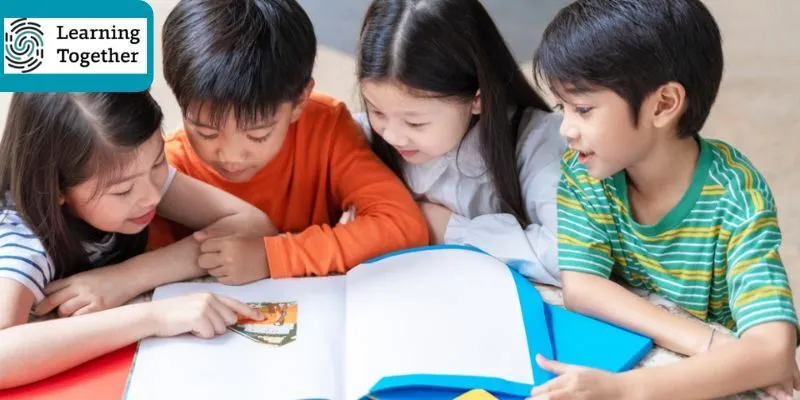
A key principle of education for social change is that students must have a voice in what and how they learn. This does not mean abandoning structure, but sharing power. Teachers use participatory methods such as group projects, debates, role plays, and problem-posing discussions. Students are encouraged to bring their lived experiences into the classroom and to question dominant narratives.
Justice-Oriented Curriculum And Content
Another pillar of education for social change is a curriculum that addresses structural injustice. Topics like gender equality, racial discrimination, labor rights, and environmental sustainability are woven across subjects. Educators introduce multiple perspectives, including those of historically oppressed communities, rather than presenting a single “neutral” story. Case studies of social movements, legal reforms, and grassroots initiatives help students see concrete examples of change.
Reflection, Action, And Continuous Improvement
Reflection is essential in education for social change because it helps students connect ideas, emotions, and behaviors. Journals, learning portfolios, and guided discussions invite them to examine their values and biases. However, reflection alone is not enough; it must be linked with action. Service-learning projects, advocacy campaigns, or school-wide initiatives allow learners to test their ideas in the real world.
| Principle | Key Focus | Example In Practice |
| Learner-Centered Pedagogy | Student voice and agency | Students co-design project topics linked to local issues |
| Justice-Oriented Content | Structural analysis of inequality | Units on labor rights, climate justice, and human rights |
| Reflection-Action Cycle | Connecting theory and practice | Service-learning plus critical reflection journals |
| Community Engagement | School–community partnership | Collaboration with NGOs on local development projects |
Designing Programs Of Education For Social Change
Creating a robust program requires strategic planning at multiple levels. Institutions must align mission statements, teaching practices, and assessment systems with transformative goals. Educators need training, time, and resources to redesign courses. Partnerships with civil society organizations can provide real-world contexts and mentorship.

Integrating Social Change Across Subjects
Rather than confining education for social change to one elective course, schools can embed it across the curriculum. Language classes might explore literature about migration or social justice, while art classes examine visual activism and protest culture. In economics, students can compare different development models and their social impacts. Cross-disciplinary projects encourage learners to see how problems like poverty or climate change are interconnected.
Building Strong Community And NGO Partnerships
Effective education for social change rarely happens within school walls alone. Collaborations with community groups, NGOs, trade unions, and local government bring authenticity to learning. Organizations working on issues such as public health, housing, or environmental protection can offer guest lectures, field visits, and mentorship. Students gain exposure to real advocacy strategies and community organizing methods.
Assessment That Values Transformation, Not Just Scores
To align fully with education for social change, assessment must go beyond standardized tests. While academic knowledge remains important, educators also need tools to evaluate critical thinking, collaboration, ethical reasoning, and civic engagement. Rubrics for group projects, reflective essays, and community impact reports can capture these dimensions. Peer and self-assessment encourage students to take responsibility for their learning. When institutions recognize and reward transformative competencies, they send a clear message that social responsibility is as important as technical expertise.
Challenges And Future Directions For Education For Social Change
Despite its promise, faces significant obstacles, from political resistance to limited resources. Some policymakers fear that critical pedagogy will undermine authority, while others worry about controversy around topics like gender or race. Teachers may feel unprepared to facilitate difficult conversations or to manage emotionally charged discussions. Yet, as global crises intensify, the need for transformative education grows.
Navigating Political And Cultural Resistance
Implementing education for social change often means challenging dominant norms, which can provoke backlash. Parents, media, or officials may accuse schools of being “too political.” To navigate this, educators must communicate clearly that their goal is not indoctrination, but democratic competence: teaching students to think critically, consider multiple viewpoints, and participate constructively.
Supporting Educators As Reflective Practitioners
Teachers are at the heart of education for social change, yet they often lack training and institutional backing. Professional development programs can equip them with facilitation skills, trauma-informed practices, and strategies for inclusive dialogue. Peer learning circles provide spaces to share challenges and co-create solutions. Institutions should also protect educators’ academic freedom and well-being, recognizing the emotional labor involved in this work.
Harnessing Digital Tools For Collective Learning
The digital era offers new opportunities to expand education for social change beyond physical classrooms. Online platforms can connect students with activists, researchers, and peers worldwide, enabling global dialogues on shared challenges. Digital storytelling, data visualization, and social media campaigns allow learners to amplify marginalized voices and advocate for policy change.
>>> Read more: Importance of Social Justice in Building Fair Communities
Conclusion
In summary, education for social change reimagines learning as a powerful tool for building more just, democratic, and sustainable societies. By shifting from passive instruction to critical, participatory, and justice-oriented pedagogy, it helps learners connect knowledge with action and personal growth with collective responsibility. When institutions align curriculum, assessment, and community partnerships around these goals, they create environments.