Community learning programs are reshaping how people of all ages access knowledge, develop skills, and build meaningful connections in their local area and beyond. Instead of relying only on formal schools or universities, learners can now join flexible, inclusive initiatives hosted by libraries, nonprofits, cultural centers, and online platforms. These initiatives support personal development, employability, and social cohesion.
Why Community Learning Programs Matter In The Digital Age
In a world where technology and job requirements change constantly, community learning programs give people a practical way to stay relevant without returning to full‑time school. They offer short, targeted courses, workshops, and peer‑to‑peer sessions that fit busy schedules. Beyond technical skills, they cultivate curiosity, resilience, and social capital. For many communities, these initiatives become safe spaces for dialogue, cultural exchange, and civic engagement that traditional institutions sometimes struggle to provide.

Closing Skills Gaps And Boosting Employability
Many employers now prioritize adaptable workers who can learn quickly, solve problems, and collaborate. Community centers and local organizations respond by organizing community learning programs focused on digital literacy, language skills, entrepreneurship, and soft skills. Participants gain hands‑on experience instead of only theory, which makes it easier to transition into new roles or industries.
Supporting Social Inclusion And Equity
Well‑designed community learning programs are often low‑cost or even free, which makes them accessible to people who cannot afford traditional education. They can be tailored for marginalized groups, such as migrants, older adults, or those in rural areas. By learning in mixed groups, participants build empathy and understanding across cultural and generational lines. This reduces social isolation, combats discrimination, and helps create a more cohesive society where everyone has a chance to contribute.
Encouraging Lifelong Learning Habits
Instead of seeing education as something that ends after graduation, community learning programs normalize the idea of lifelong learning. Short workshops, regular meetups, and flexible online modules help adults get back into the habit of studying without pressure. Over time, this builds confidence and intrinsic motivation..
Types Of Community Learning Programs You Can Build Or Join
There is no single model for community learning programs; the best initiatives adapt to local needs and available resources. Some focus on professional upskilling, while others emphasize creativity, wellness, or civic participation. Understanding the main formats helps organizers choose the right structure and helps learners select experiences that match their goals. Many successful projects mix offline and online elements for maximum reach and flexibility.
Skill‑based Workshops And Short Courses
Skill‑based community learning programs usually concentrate on a specific topic such as coding, graphic design, foreign languages, or financial literacy. They tend to be short, practical, and project‑oriented. Participants might build a website, create a portfolio, or draft a business plan by the end of the course. This outcome‑driven design keeps motivation high and makes it easier to demonstrate new competencies to employers, clients, or partners.
Peer‑to‑peer learning circles and study groups
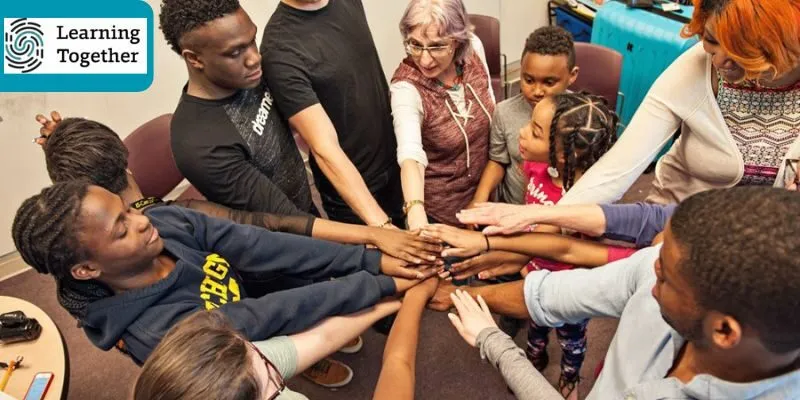
Not all community learning programs need formal teachers. Peer‑to‑peer circles allow participants to share expertise, discuss books, analyze case studies, or practice languages together. Rotating facilitation ensures everyone has a voice and a chance to lead. This format is low‑cost, highly flexible, and easy to replicate across neighborhoods or online communities, making it ideal for topics where lived experience is as valuable as academic knowledge.
Online And Hybrid Community Learning Initiatives
Digital platforms have expanded the reach of community learning programs far beyond physical locations. Hybrid models combine face‑to‑face meetings with online lessons, forums, and video calls. This enables busy professionals, caregivers, and people with mobility challenges to participate. Organizers can invite guest speakers from other cities or countries, record sessions for later viewing, and use learning management systems to track progress and distribute resources efficiently.
Designing Effective Community Learning Programs For Impact
Creating impactful community learning programs requires more than choosing a topic and booking a room. Organizers need to understand the target audience, clarify outcomes, and plan learning experiences that are engaging, inclusive, and sustainable. Thoughtful design increases completion rates, learner satisfaction, and long‑term benefits for both individuals and the wider community. Data collection and feedback loops play a crucial role in continuous improvement.

Needs Assessment And Audience Research
Before launching new community learning programs, it is essential to analyze local needs. Surveys, interviews, and focus groups with residents, employers, and community leaders help identify skill gaps and barriers to participation. Organizers should look at demographics, language preferences, available infrastructure, and existing services.
Curriculum Planning And Learner‑centered Design
Once priorities are clear, planners can map out community learning programs with clear objectives, milestones, and assessment methods. A learner‑centered approach emphasizes active participation: discussions, group projects, simulations, and real‑world problem solving. Materials should be accessible, culturally sensitive, and adaptable for different learning speeds.
Measuring Outcomes And Continuous Improvement
To prove value and secure long‑term support, community learning programs must track both quantitative and qualitative results. Metrics may include attendance, completion rates, job placements, new businesses launched, or community initiatives started by alumni. Feedback forms, interviews, and storytelling capture less tangible benefits such as confidence, networks, and sense of belonging. Regular evaluation allows facilitators to refine methods, update content, and scale successful models.
| Design Element | Why It Matters | Best Practices |
| Needs Assessment | Aligns community learning programs with real demand | Use surveys, local labor data, and stakeholder interviews |
| Curriculum Structure | Guides learners from basics to application | Set clear outcomes, modular content, and practical projects |
| Facilitation Style | Impacts engagement and retention | Encourage interaction, peer support, and reflection |
| Accessibility | Ensures inclusive participation | Offer flexible schedules, childcare options, and online access |
| Evaluation | Demonstrates impact and guides improvement | Combine data tracking with stories and learner feedback |
Best Practices To Scale And Sustain Community Learning Programs
Many promising community learning programs struggle to survive after initial funding ends or when key volunteers move on. Sustainability depends on strong partnerships, diversified revenue, and smart use of technology. Scaling successful models across regions requires consistent quality standards while respecting local context. By building robust ecosystems around learning, communities can keep initiatives alive for years and maximize their long‑term impact.
Building Partnerships And Local Ecosystems
Collaborations with libraries, schools, NGOs, and businesses can multiply the reach of community learning programs. Partners may provide venues, trainers, equipment, or funding. Employers can co‑design curricula to match industry needs, while public institutions offer legitimacy and visibility. Creating advisory boards with community representatives ensures that decisions reflect diverse perspectives and that benefits are distributed fairly across groups.
Funding Models And Resource Optimization
To reduce dependence on a single grant, organizers of community learning programscan explore mixed funding models. Options include membership fees, sliding‑scale pricing, sponsorships, corporate training contracts, and crowdfunding. In‑kind contributions such as volunteer time or donated equipment also matter. Careful budgeting, shared infrastructure, and open‑source tools help keep costs manageable without sacrificing quality or accessibility for low‑income learners.
Leveraging Technology And Data For Growth
Digital tools make it easier to manage community learning programs at scale. Registration systems, learning platforms, and communication apps streamline administration and support. Data analytics reveal which courses are most effective, which audiences are underserved, and when participants are most active. With this insight, organizers can refine schedules, personalize learning paths, and identify new opportunities for collaboration or expansion.
Kết luận
Across cities, suburbs, and rural regions, community learning programs are becoming essential infrastructure for inclusive growth. They help individuals update skills, discover new interests, and connect with neighbors, while giving employers access to a more agile talent pool. When communities invest in careful design, strong partnerships, and continuous evaluation, these initiatives move beyond one‑off workshops and evolve into long‑term learning together network.