
Prisoners learning program initiatives are reshaping how societies think about justice, rehabilitation, and second chances for people behind bars. Instead of focusing only on punishment, modern correctional systems are investing in structured education, skills training, and counseling to reduce reoffending. When learning becomes central to prison life, inmates gain tools to rebuild their futures, support their families, and contribute positively to their communities after release at Learning Together Network.
Why A Prisoners Learning Program Is Essential Today
A well-designed prisoners learning program responds to rising concerns about overcrowded prisons, high recidivism rates, and limited opportunities for reintegration. Around the world, governments and NGOs are recognizing that education in custody is not a luxury, but a cost‑effective strategy for public safety. By addressing the root causes of offending, learning programs help inmates develop responsibility, empathy, and practical skills that change long‑term behavior.
From Punishment To Rehabilitation
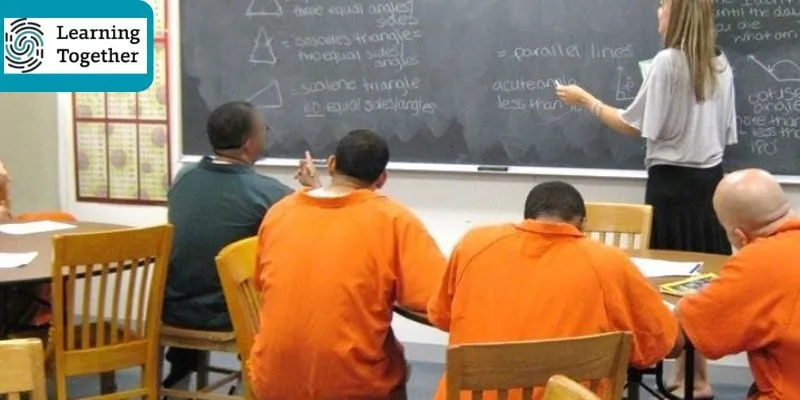
For decades, many prisons were built on a purely punitive model, offering little more than containment and control. A modern prisoners learning program challenges this approach by putting rehabilitation at the center of correctional policy. Instead of viewing inmates as permanent threats, educators and psychologists see them as learners capable of growth. This mindset shift influences how prisons are managed, from daily routines to staff training and facility design.
Evidence Of Reduced Recidivism
One of the strongest arguments for any prisoners learning program is its measurable impact on recidivism. International studies indicate that inmates who complete accredited courses are significantly less likely to return to prison. Academic education, vocational skills, and cognitive‑behavioral therapy each contribute to this outcome in different ways. Together, they address both the practical and psychological drivers of criminal behavior.
Social And Economic Benefits
Beyond reducing crime, a comprehensive prisoners learning program delivers substantial social and economic gains. Former inmates who gain literacy, qualifications, and work experience are better positioned to find legal employment. This reduces reliance on welfare, increases tax contributions, and lessens pressure on social services. Families also benefit when returning citizens can provide stable income and model positive behavior for their children.
Core Elements Of An Effective Prisoners Learning Program
An impactful prisoners learning program is much more than a few isolated classes; it is a structured ecosystem of learning. It usually combines basic education, vocational training, life skills, and therapeutic support into a coherent journey from intake to release. Each component is tailored to different risk levels, learning styles, and sentence lengths, ensuring that every participant has a realistic path to progress.
Academic And Digital Literacy
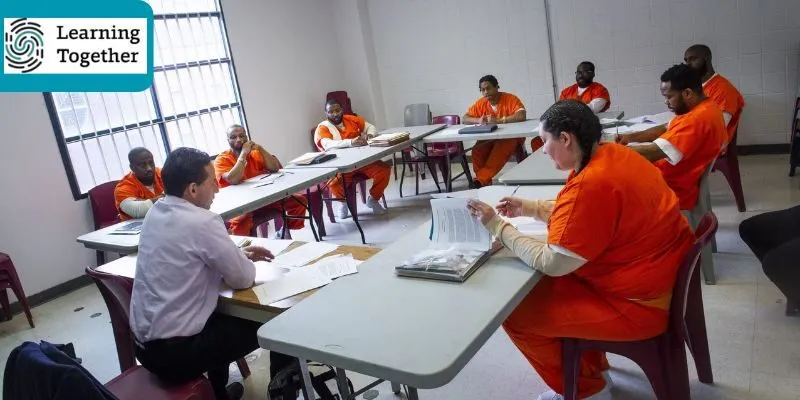
Basic education is often the starting point for any prisoners learning program. Many inmates enter custody with low reading, writing, or numeracy skills, which limits their options both inside and outside prison. Literacy classes, high school equivalency courses, and language training help close these gaps. As learners progress, they can move into more advanced subjects such as business, social sciences, or technology.
Vocational Training And Real Work Skills
Career‑focused training is a cornerstone of a successful prisoners learning program. Workshops in trades such as carpentry, welding, culinary arts, automotive repair, or coding give inmates marketable skills. When linked to industry‑recognized certifications, these courses significantly improve employability. Practical, hands‑on learning also helps build discipline, teamwork, and problem‑solving abilities.
Life Skills, Counseling, And Personal Development
No prisoners learning program is complete without attention to emotional and social skills. Many offenders have histories of trauma, addiction, or unstable family life. Courses on anger management, financial planning, parenting, and conflict resolution address these underlying issues. Group therapy and one‑to‑one counseling give inmates space to process experiences and develop healthier coping strategies.
Designing And Managing A Prisoners Learning Program
Building a sustainable prisoners learning program requires careful planning, adequate resources, and strong leadership. Administrators must balance security requirements with the need for open, engaging learning spaces. This involves coordinating schedules, training staff, and ensuring that education is recognized as a core function of the institution, not an optional extra.
Assessment, Placement, And Progression
At the heart of any prisoners learning program is a robust assessment process. On entry, inmates are typically evaluated for literacy, numeracy, mental health, and vocational interests. This information guides placement into appropriate classes and interventions. Tailored learning plans ensure that each participant works toward realistic, measurable goals rather than a one‑size‑fits‑all curriculum.
Training Educators And Correctional Staff
Human resources are critical to the success of a prisoners learning program. Teachers, counselors, and officers must understand the unique challenges of working in correctional settings. Specialized training in trauma‑informed practice, conflict de‑escalation, and adult education methods helps staff create safe, respectful learning environments. When security and education teams collaborate effectively, disruptions are minimized and classes run more smoothly.
Partnerships And Community Links
A forward‑looking prisoners learning program extends beyond prison walls through strategic partnerships. Universities may offer accredited courses, while NGOs provide mentoring, housing support, or job placement services. Employers who commit to fair‑chance hiring can participate in job fairs, internships, and interview workshops inside facilities, giving inmates a tangible sense of future opportunity.
Challenges And Future Directions For Prisoners Learning Program Initiatives
Even with strong evidence of success, every prisoners learning program faces real‑world challenges. Limited budgets, overcrowding, and security incidents can disrupt classes or restrict access to resources. Some members of the public remain skeptical about investing in education for offenders, especially in times of economic strain. Overcoming these barriers requires clear communication about long‑term benefits and transparent reporting of results.
Funding, Resources And Political Will
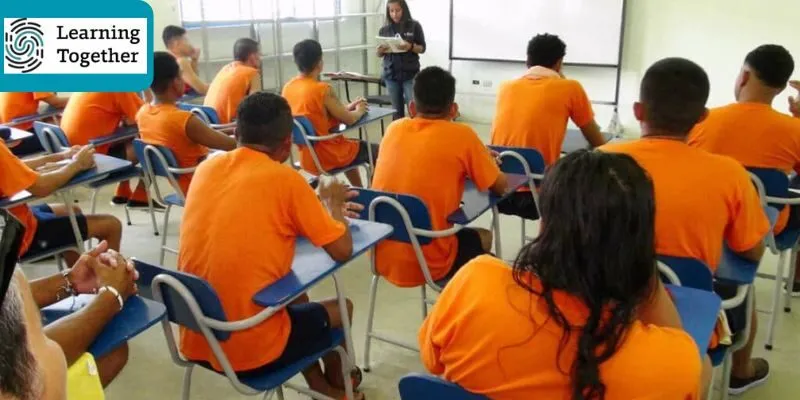
Stable financing is essential for any prisoners learning program to thrive. Short‑term grants or pilot projects may generate promising results, but without long‑term commitment they struggle to scale. Advocates must work with policymakers to embed education and rehabilitation into core correctional budgets. Cost‑benefit analyses that highlight savings from reduced reoffending are powerful tools in these discussions.
Technology, Innovation And Distance Learning
Modern technology is transforming what a prisoners learning program can offer. Secure tablets, offline learning servers, and monitored internet access enable self‑paced study and access to a wide range of courses. Inmates can watch lectures, complete assignments, and receive feedback without always needing to be physically in a classroom, which helps manage space and staffing constraints.
Measuring Impact And Continuous Improvement
To maintain credibility, every prisoners learning program must rigorously evaluate its outcomes. Key indicators include course completion rates, qualifications earned, employment after release, and long‑term recidivism trends. Qualitative feedback from participants, staff, and community partners adds depth to these statistics, revealing how programs affect identity, motivation, and relationships.
>>> Read more: Understanding Education In Prison Benefits For Lasting Change
Conclusion
In conclusion, a prisoners learning program plays a vital role in helping inmates gain knowledge, practical skills, and confidence for a better future. Education inside correctional facilities not only supports personal growth but also improves employment opportunities and reduces the risk of reoffending after release.