
Importance of social justice is growing rapidly as communities, governments, and organizations recognize that fairness and equality are essential for long‑term stability. In every country, debates about rights, resources, and representation now shape public policy and everyday life. When people understand how justice affects education, healthcare, work, and safety, they become more motivated to participate in positive change at Learning Together Network.
The Importance Of Social Justice In A Changing World
As economies evolve and technology transforms the way we live, the importance of social justice becomes clearer in both developed and developing nations. Rapid growth can create new opportunities, but it can also widen gaps between rich and poor, rural and urban, or majority and minority groups. When these inequalities deepen, social tension and distrust often follow.
Defining Social Justice And Its Core Principles
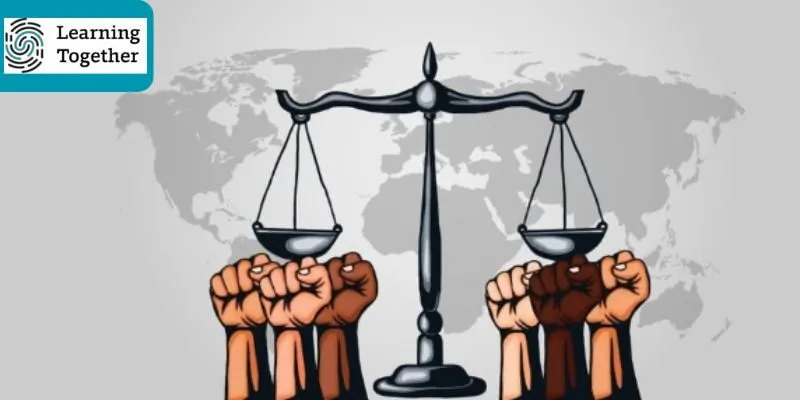
Social justice refers to the fair distribution of resources, opportunities, and privileges within a society, grounded in respect for human rights and dignity. At its heart are principles such as equity, participation, and recognition of diversity. Equity means people receive what they need to thrive, not necessarily the same amount as everyone else. Participation ensures that all groups have a voice in decisions that affect them. Recognition values different identities and experiences rather than forcing assimilation.
Historical Roots That Reveal The Importance Of Social Justice
Understanding history reveals the deep importance of social justice for social stability and peace. Movements for civil rights, labor protections, gender equality, and decolonization all emerged because systems were structured to favor a few at the expense of many. When large groups are excluded from political power, land ownership, education, or safe working conditions, they eventually demand reform.
Why Ignoring Inequality Threatens Everyone
Some people assume inequality only harms those at the bottom, but the importance of social justice is visible in how deeply unfair systems damage entire communities. Extreme gaps in income and opportunity weaken social cohesion and reduce trust in public institutions. Crime, political instability, and health crises become more likely when large groups feel abandoned or exploited.
The Importance Of Social Justice In Education, Health, And Work
Public services and labor markets are powerful arenas where the importance of social justice becomes visible in everyday life. Access to quality schools, affordable healthcare, and safe, fairly paid jobs shapes people’s chances from childhood to old age. When these systems are unequal, entire communities can be trapped in cycles of poverty and poor health.
Education As A Foundation For Fairness
Education is one of the clearest examples of the importance of social justice in action. Children born into low‑income families, rural areas, or marginalized communities often attend underfunded schools with fewer resources and less experienced teachers. This early disadvantage can affect literacy, digital skills, and future job prospects. When governments invest in equitable school funding, inclusive curricula, and support programs for vulnerable students, they break intergenerational cycles of exclusion.
Health Equity And Access To Essential Care
Public health data around the world illustrates the importance of social justice in determining who lives a long, healthy life. People facing poverty, discrimination, or unsafe housing are more likely to experience chronic illness, mental health challenges, and limited access to medical services. Social determinants such as clean water, nutritious food, and safe neighborhoods are as crucial as hospitals and clinics.
Fair Work, Living Wages, And Safe Conditions
Labor markets reveal another dimension of the importance of social justice, especially for workers in informal or precarious jobs. Without strong protections, people can face unsafe conditions, unpaid overtime, discrimination, or wages too low to cover basic needs. These problems often hit migrants, women, and minority groups hardest. Fair labor laws, collective bargaining rights, and enforcement of safety standards are essential tools for balancing power between employers and employees.
The Importance Of Social Justice For Democracy And Human Rights
Healthy democracies depend on trust, participation, and the belief that institutions treat people fairly, which highlights the importance of social justice for political stability. When certain groups are consistently excluded from decision‑making or face systemic discrimination, they may lose faith in elections, courts, and public services. This erosion of confidence can open the door to extremism, corruption, and authoritarianism.
Representation And Inclusive Decision‑making
Inclusive representation in parliaments, local councils, and public agencies shows the real‑world importance of social justice in politics. When leadership is dominated by a single group, laws may ignore or even harm minorities, women, or people with disabilities. Ensuring that different communities have a seat at the table leads to more balanced policies and stronger legitimacy. Tools such as participatory budgeting, citizen assemblies, and community consultations allow people directly affected by decisions to shape them.
Rule Of Law And Equal Protection
Legal systems that protect everyone equally demonstrate the importance of social justice in upholding human rights. Discriminatory policing, biased sentencing, or unequal access to legal representation undermine the idea that all citizens are equal before the law. When people believe the justice system favors the wealthy or certain ethnic groups, they may turn to informal or violent means to resolve disputes.
Global Justice And International Responsibility
On a global scale, the importance of social justice appears in debates about climate change, migration, trade, and development aid. Countries with fewer resources often suffer most from environmental damage and economic crises they did not create. Fair international agreements, debt relief, and technology sharing can help correct these imbalances. At the same time, respecting labor and human rights in global supply chains ensures that economic growth does not rely on exploitation.
>>> Read more: Inclusive Education Meaning and Benefits for Every Student
The Importance Of Social Justice In Daily Life And Community Action
Beyond laws and policies, the importance of social justice is visible in daily interactions, community norms, and organizational cultures. Ordinary choices about language, hiring, media representation, and neighborhood planning can either reinforce or challenge inequality. When individuals and local groups commit to fairness, they can create powerful ripple effects that influence institutions.
Everyday Behavior And Unconscious Bias
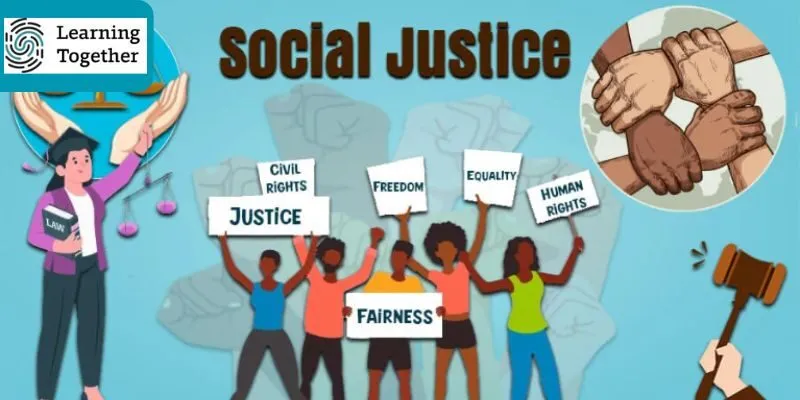
Unconscious bias shows how the importance of social justice extends into personal relationships and workplace dynamics. People may unintentionally favor those who look, speak, or think like them, leading to unequal treatment in hiring, promotion, or customer service. Training, self‑reflection, and open dialogue can help uncover these hidden attitudes. Simple steps such as using inclusive language, listening actively to marginalized voices, and challenging stereotypes in conversation make a difference.
Community Organizing And Local Initiatives
Grassroots movements highlight the practical importance of social justice in solving local problems. Neighborhood groups, youth networks, and civil society organizations often lead campaigns for safer streets, better schools, or environmental protection. These initiatives give residents tools to analyze power structures, collect data, and present evidence‑based proposals to authorities. Successful community organizing builds leadership skills and strengthens solidarity across different social groups.
Business Responsibility And Ethical Leadership
In the private sector, many leaders now recognize the importance of social justice for long‑term business success and brand reputation. Consumers and employees increasingly expect companies to address inequality, respect labor rights, and reduce environmental harm. Ethical leadership involves more than public statements; it requires fair hiring practices, transparent supply chains, and meaningful community engagement.
| Dimension of Justice | Key Focus | Risks When Ignored | Positive Outcomes When Prioritized |
| Economic justice | Fair wages, taxation, and access to resources | Rising inequality, social unrest, poverty traps | Shared prosperity, social stability, stronger markets |
| Educational justice | Equal access to quality schools and training | Low mobility, skills gaps, intergenerational exclusion | Informed citizens, innovation, reduced disparities |
| Health justice | Affordable care and healthy living conditions | Higher mortality, chronic illness, system overload | Longer life expectancy, productivity, well‑being |
| Legal justice | Equal treatment before the law | Distrust, corruption, violent conflict | Rule of law, human rights protection, peace |
| Environmental justice | Fair distribution of environmental risks | Pollution hotspots, climate vulnerability | Cleaner communities, resilience, sustainability |
Conclusion
The ongoing debates about fairness, rights, and opportunity confirm the enduring importance of social justice for every level of society. From classrooms and clinics to courts and parliaments, justice shapes who has access to safety, voice, and a dignified life. When institutions take inequality seriously, they can design policies that protect vulnerable groups, strengthen democracy, and support sustainable development. At the same time, individuals and communities play a vital role by challenging bias, supporting inclusive initiatives, and holding leaders accountable.