
Can prisoners go to university is a question that challenges how we think about justice, rehabilitation, and second chances in modern society. Around the world, policymakers, educators, and prison reform advocates are re‑evaluating the role of higher education behind bars. Instead of focusing only on punishment, more systems are exploring how structured learning and degree programs can reduce reoffending and support safer communities at Learning Together Network.
Can Prisoners Go To University: Legal And Practical Realities
In many countries, the answer to “can prisoners go to university” is “yes, but it depends.” Access to higher education behind bars varies by jurisdiction, security level, sentence length, and funding rules. Some prisons offer full degree programs through partnerships with universities, while others only provide basic literacy or vocational training. The core idea is that education in prison benefits not just the individual but also the wider public by lowering long‑term crime and incarceration costs.
Different Models Of University Study Behind Bars
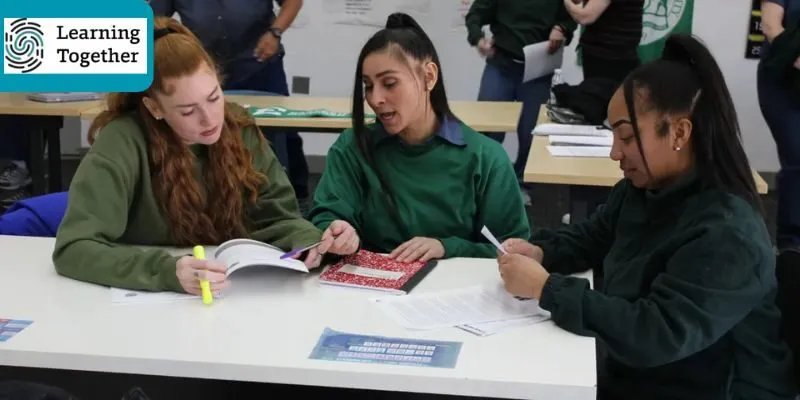
There are several models that determine whether prisoners can enroll in university‑level courses. Some institutions host in‑person classes where lecturers come into the facility, while others rely on distance learning with printed materials or secure digital platforms. In many systems, education in prison benefits are maximized when programs are flexible enough to adapt to security rules, lockdowns, and transfers.
Eligibility Rules And Admission Criteria
Eligibility often shapes the practical answer to can prisoners go to university in a given prison. Typical requirements include a minimum level of prior schooling, good behavior records, and approval from prison administrators. Some scholarship schemes prioritize those who are closer to release, while others invest in long‑term sentences because education in prison benefits daily prison life as well.
Funding, Scholarships, And Financial Barriers
Even when rules say prisoners may study, money can be a major barrier. Tuition, textbooks, and exam fees can be expensive, and incarcerated students rarely have steady income. In a few countries, public grants or restored financial aid programs recognize that education in prison benefits taxpayers through reduced recidivism.
| Aspect | Typical Situation | Impact on Prisoner Students |
| Eligibility Rules | Good behavior, prior schooling required | Can motivate discipline but exclude late learners |
| Delivery Mode | In‑person, correspondence, or online | Determines access, interaction, and support levels |
| Funding Source | State aid, charities, or self‑funded | Decides how many can enroll and persist |
| Security Level | Higher security, stricter tech limits | Often fewer options despite high need |
Can Prisoners Go To University: Why It Matters For Society
When exploring can prisoners go to university, it is not just a technical or legal question. It is deeply connected to public safety, social justice, and economic efficiency. Research from multiple countries shows that education in prison benefits extend far beyond the prison walls, influencing families, neighborhoods, and future generations.
Reducing Recidivism And Improving Public Safety
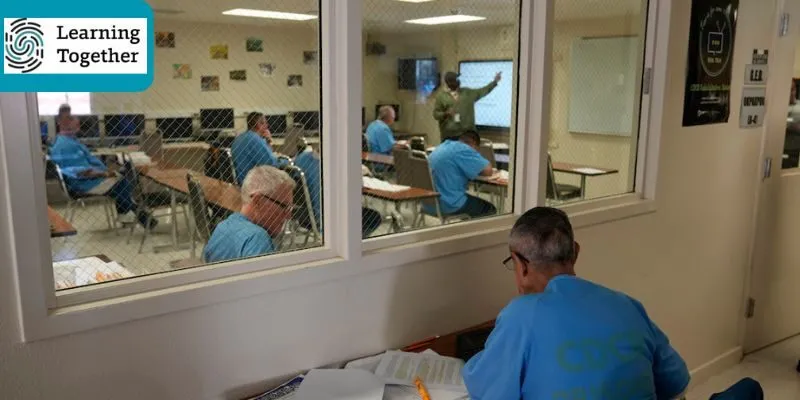
One of the most widely documented education in prison benefits is a significant reduction in reoffending. Former prisoners who complete college courses are statistically less likely to return to crime after release. University study builds critical thinking, problem‑solving, and self‑control, all of which help people navigate conflicts without violence.
Economic Gains For Individuals And Taxpayers
Another key dimension of education in prison benefits is economic. People with degrees or recognized qualifications have better chances of securing stable, legal employment after release. That reduces dependence on welfare systems and increases tax contributions. At the same time, every person who does not return to prison saves the state substantial incarceration costs.
- Lower reoffending rates reduce long‑term justice spending.
- Higher earnings improve family stability and child outcomes.
- Skilled workers fill labor shortages in key industries.
Social Inclusion And Breaking Intergenerational Cycles
Beyond numbers, education in prison benefits include powerful social effects. Many incarcerated people come from marginalized communities with limited access to quality schools. When they earn degrees, they become role models for their children and peers. The question can prisoners go to university is therefore tied to whether society believes in redemption. University study can help people rebuild a sense of identity based on achievement rather than offending.
Can Prisoners Go To University: Learning Conditions And Challenges
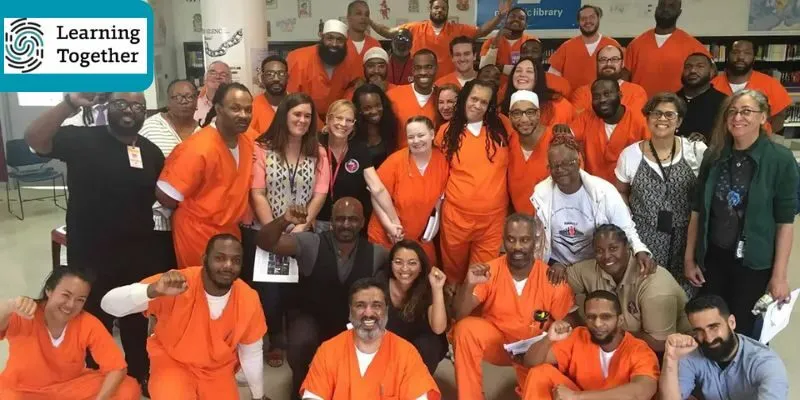
Even when the rules allow it, can prisoners go to university in a meaningful way depends on learning conditions inside the facility. Prisons are not designed as campuses, and tension between security and education is constant. To unlock full education in prison benefits, administrators must balance safety with access to resources such as libraries, technology, and quiet study spaces.
Limited Technology And Restricted Internet Access
Modern university courses often rely on online platforms, digital libraries, and email. In prison, these tools are usually tightly controlled or completely banned. This makes it harder to deliver courses that match outside standards, and it can limit education in prison benefits related to digital literacy. Some systems are experimenting with secure offline servers or whitelisted networks so that can prisoners go to university without compromising security protocols.
Time, Space, And Competing Pressures
Daily life in prison can be noisy, stressful, and unpredictable. Lockdowns, searches, and mandatory work assignments often interrupt study schedules. To realize full education in prison benefits, prisons need designated classrooms and quiet hours that protect learning time. When people ask can prisoners go to university, they must also consider whether institutions support students with timetables, tutoring, and mental health services to handle the pressure.
Stigma, Motivation, And Emotional Barriers
Not all barriers are physical. Some incarcerated people had negative experiences in school and doubt their own academic ability. Others fear being mocked by peers or misunderstood by staff. Supportive mentors and peer‑tutoring schemes can unlock education in prison benefits by building confidence and a growth mindset.
>>> Read more: Prison Education UK Programs Improving Inmate Futures Online
Conclusion
The debate around can prisoners go to university reflects deeper questions about what prisons are for and how societies define justice. Evidence from multiple countries shows that structured study behind bars delivers powerful education in prison benefits, including lower recidivism, higher employment, and stronger family stability. When incarcerated people gain access to university‑level learning, they develop skills, confidence, and a new sense of identity that supports long‑term change. These outcomes do not erase past harm, but they do help prevent future offending and create safer communities for everyone.