
Education in prison benefits are increasingly recognized by researchers, policymakers, and correctional leaders as a powerful tool to reduce crime, transform lives, and improve community safety. When people in custody gain access to meaningful learning, they build skills, self‑esteem, and a realistic path away from reoffending at Learning Together Network.
How Education In Prison Benefits Individuals Behind Bars
For people living in correctional facilities, daily life is often defined by routine, limitation, and a lack of hope. In this environment, structured learning can become a lifeline. Understanding how education in prison benefits individuals helps explain why so many former learners describe classes as a turning point.

Building Essential Literacy, Numeracy, And Life Skills
Many incarcerated people enter prison with low levels of formal education, which limits their options both inside and after release. One of the most direct education in prison benefits is improvement in reading, writing, and numeracy, enabling learners to understand legal documents, manage personal finances, and communicate effectively.
Improving Mental Health, Self‑esteem, And Sense Of Purpose
Another way that education in prison benefits individuals is through positive effects on mental health. Study routines bring structure, focus, and a constructive way to cope with the stress of confinement. Completing assignments, passing exams, or earning certificates boosts self‑confidence for people who may have experienced repeated failure in school.
Changing Identity And Attitudes Toward Crime
Long‑term transformation often depends on how education in prison benefits a person’s self‑image and values. Courses in humanities, social sciences, and ethics encourage learners to reflect on their life stories, understand the impact of their actions, and develop empathy for victims and communities. Exposure to new ideas helps challenge criminal thinking patterns and peer pressure.
How Education In Prison Benefits Reduce Reoffending And Improve Safety
Beyond individual growth, one of the most studied ways that education in prison benefits society is through lower recidivism rates. When people leave custody with stronger skills, qualifications, and pro‑social attitudes, they are less likely to return to crime. This shift has powerful implications for public safety, victimization, and the long‑term costs of running correctional systems.
Lower Recidivism Through Skills And Opportunities
Research consistently shows that education in prison benefits include a significant drop in the likelihood of reoffending. Learners who complete vocational or academic programs gain concrete abilities that make them more employable upon release. With better job prospects and a clearer path to legal income, the temptation to return to illegal activities decreases.
Creating Safer Prison Environments
Another important way that education in prison benefits correctional systems is by improving day‑to‑day safety inside facilities. When incarcerated people attend classes, they spend more time engaged in structured, supervised activities and less time idle on the wings. Educational spaces often promote cooperation, respect, and non‑violent communication.
Supporting Restorative Justice And Victim Awareness
In many countries, restorative justice programs are integrated into broader learning strategies, showing how education in prison benefits victims and communities as well. Courses that explore the consequences of crime, victim impact, and community harm encourage participants to acknowledge responsibility and consider how to repair damage. Some programs include letter‑writing, mediated dialogue, or community projects, helping to rebuild trust.
Economic And Social Education In Prison Benefits For Communities
While transformational stories from individual learners are powerful, policymakers also want to know how education in prison benefits the broader economy and social fabric. When fewer people return to custody, taxpayers save money on incarceration costs, and communities experience less crime.
Cost Savings And Return On Public Investment
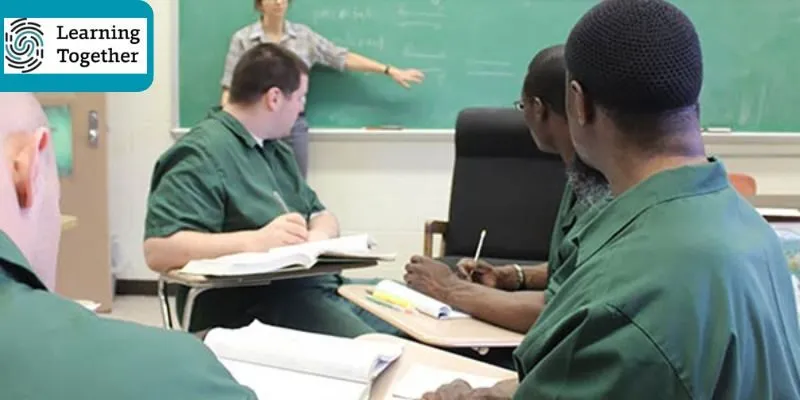
One of the clearest education in prison benefits for governments is financial. Incarceration is expensive, and each avoided re‑imprisonment represents a substantial saving. Studies from various jurisdictions have shown that every unit of currency invested in prison education can save multiple units in reduced future corrections spending.
Strengthening Families And Breaking Intergenerational Cycles
Families often experience some of the most profound education in prison benefits, even if they never set foot inside a classroom. When a parent in custody engages in learning, they can model positive behavior for their children and maintain more constructive contact through letters and visits. Improved literacy helps parents support their children’s schooling after release.
Boosting Employability And Community Integration
Employers increasingly recognize that education in prison benefits the labor market by preparing motivated candidates who are ready to work. Vocational training in trades such as construction, catering, or digital skills can align with local workforce needs. When released learners secure stable jobs, they pay taxes, support their families, and participate in community life.
Key Challenges Limiting Education In Prison Benefits
Despite growing evidence that education in prison benefits individuals and society, many systems struggle to deliver consistent, high‑quality programs. Limited budgets, security concerns, and overcrowding can restrict access to classrooms and resources. Understanding these barriers is essential for advocates and decision‑makers who want to expand opportunities.
Funding Gaps And Inconsistent Policy Support
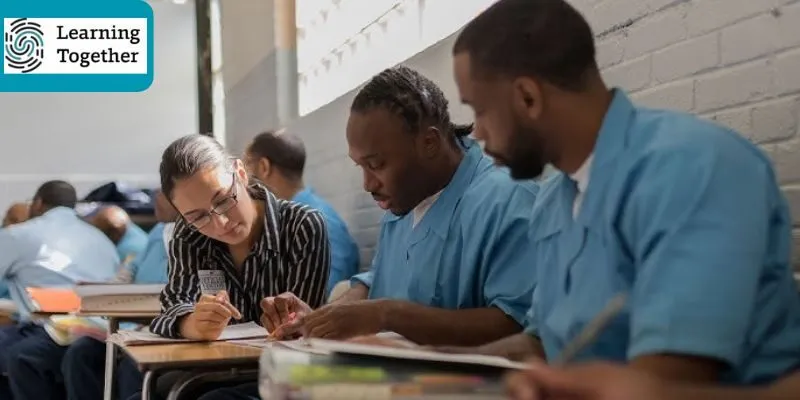
One major obstacle that reduces potential education in prison benefits is unstable funding. Education budgets are often the first to be cut during economic downturns, even though they represent a small fraction of total corrections spending. In some regions, political debates about being “tough on crime” lead to restrictions on higher education access for incarcerated people.
Security Restrictions And Limited Infrastructure
Security requirements can also limit how fully education in prison benefits are realized. Movement controls, lockdowns, and staffing shortages frequently disrupt class schedules. Many facilities lack dedicated classrooms, libraries, or secure digital access, making it difficult to deliver modern curricula.
Stigma, Motivation, And Awareness Barriers
Finally, social and cultural factors can weaken potential education in prison benefits. Some incarcerated people have had negative school experiences and may doubt their ability to succeed academically. Peer pressure or gang influence can discourage participation in classes. In addition, staff and the public may underestimate the value of prison education, viewing it as a privilege rather than an investment in safety.
>>> Read more: Can Prisoners Go To University And Transform Their Future?
Conclusion
Across research, practice, and lived experience, the evidence is clear that education in prison benefits extend far beyond the classroom walls. For individuals, learning builds literacy, confidence, and a new sense of identity that supports desistance from crime. For prisons, education contributes to safer environments, reduced tension, and a more constructive daily routine.