Inclusive education meaning is more than a trend in pedagogy; it is a complete shift in how schools view learners, diversity, and academic success. Instead of separating students by ability, background, or disability, inclusive schooling builds one learning community where everyone belongs. This approach affects curriculum design, classroom management, teacher training, and education policy at every level. When done well, it raises achievement, reduces discrimination, and prepares young people for a genuinely diverse society at Learning Together Network.
Defining Inclusive Education Meaning In Today’s Context
Before schools can implement change, they must clearly understand inclusive education meaning in practice and policy. At its core, this concept rejects the idea that some learners are “normal” and others are “special” or “problematic.” Instead, diversity is seen as the norm. Learners with disabilities, different languages, or varied cultural backgrounds study together in mainstream classrooms.
Core Principles Behind Inclusive Education
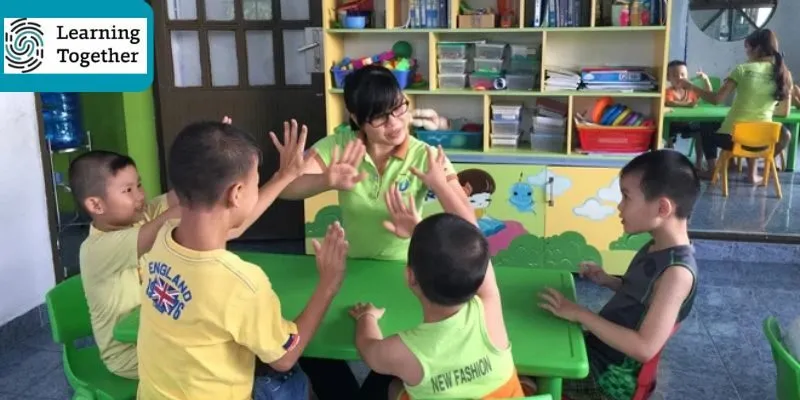
The inclusive education meaning used by leading international organizations is grounded in human rights and social justice. Education is treated as a universal right, not a privilege for those who fit a standard mold. Key principles include full participation, respect for differences, and shared responsibility between teachers, families, and communities.
From Integration To Full Inclusion
Many systems confuse integration with the deeper inclusive education meaning promoted by experts. Integration often places students with special educational needs in mainstream schools but keeps them in separate classes or uses pull-out models. True inclusion goes further by ensuring all learners share the same classroom and curriculum as much as possible.
Legal And Policy Foundations Of Inclusion
Understanding inclusive education meaning also requires looking at international conventions and national laws. Documents such as the UN Convention on the Rights of Persons with Disabilities and the Sustainable Development Goals call for equitable, quality education for all. Many countries now have inclusive education policies that prohibit discrimination and promote access to mainstream schooling.
Exploring Inclusive Education Meaning Through Its Key Components
To apply the inclusive education meaning in real classrooms, schools must break it down into manageable components. These elements include curriculum design, teaching methods, classroom culture, and assessment practices. Each part must be aligned with the idea that every learner can progress with the right support.
Inclusive Curriculum And Flexible Teaching
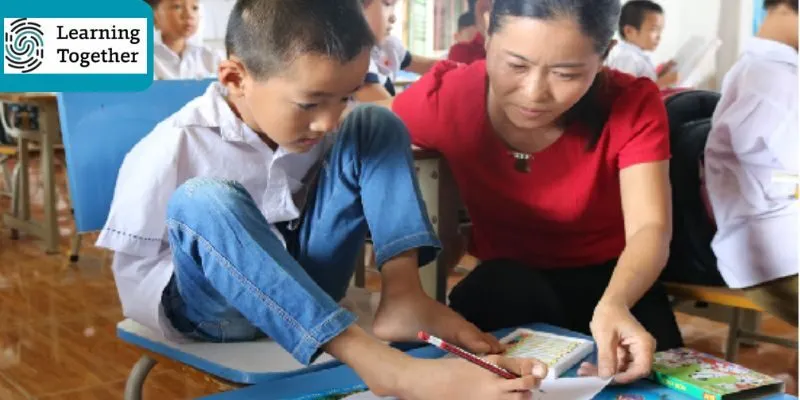
An inclusive curriculum reflects the diversity of learners and communities. Rather than one-size-fits-all lessons, teachers use flexible goals and multiple ways of presenting content. Universal Design for Learning is a widely used framework that aligns with inclusive education meaning by offering varied paths to engagement, representation, and expression.
Support Systems And Collaborative Practice
Putting inclusive education meaning into action requires strong support systems around the classroom teacher. Special educators, therapists, counselors, and teaching assistants work as a team rather than in isolation. Co-teaching models allow two professionals to share responsibility for planning, instruction, and assessment. Regular meetings help identify barriers early and adjust strategies.
Assessing Learning In Inclusive Classrooms
Traditional testing can conflict with inclusive education meaning because it often measures narrow skills under rigid conditions. Inclusive assessment practices, by contrast, are flexible and continuous. Teachers use formative assessment, observation, portfolios, and student self-reflection to track progress. Accommodations such as extra time, alternative formats, or assistive technology ensure that tests measure knowledge, not disability or language barriers.
| Dimension | Traditional Model | Inclusive Model |
| View of diversity | Problem to be fixed | Asset that enriches learning |
| Placement of learners | Separate or special classes | Shared mainstream classrooms |
| Curriculum design | Single pathway, fixed content | Flexible, multi-pathway design |
| Assessment | Standardized, high-stakes tests | Ongoing, varied, accessible tools |
| Teacher role | Solo expert, one-way instruction | Facilitator, collaborator, co-learner |
Why Inclusive Education Meaning Matters For Learners And Society
When schools truly embrace inclusive education meaning, the benefits go far beyond exam results. Learners with disabilities gain better access to the general curriculum and higher expectations from teachers and peers. Students from minority cultures or languages see themselves reflected in teaching materials and classroom dialogue.
Academic And Social Benefits For Students
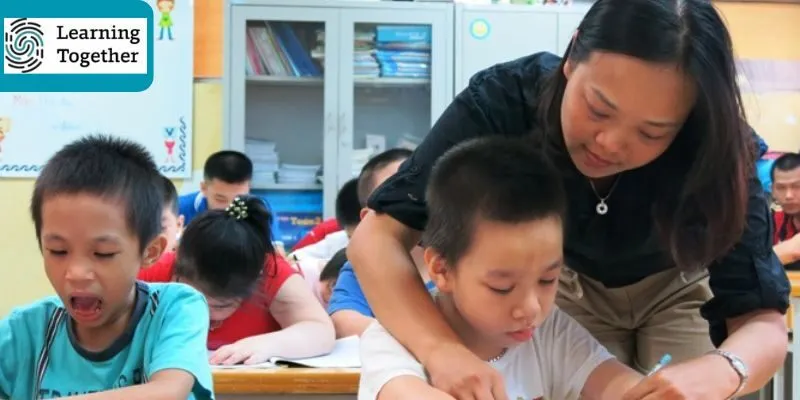
Research consistently connects strong inclusive education meaning with improved academic outcomes for many groups of learners. High expectations, tailored support, and collaborative learning raise performance for students with and without special educational needs.
Long-Term Impact On Communities And Economies
Understanding inclusive education meaning also helps policymakers see its economic and social value. When more learners complete school, access higher education, or gain vocational skills, the workforce becomes broader and more innovative. Inclusive systems reduce dependency and unemployment among people with disabilities or marginalized groups.
Challenges And Misconceptions About Inclusion
Despite clear advantages, resistance to inclusive education meaning remains common. Some educators fear that including students with complex needs will lower standards or consume too much time. Others confuse inclusion with simply placing students in mainstream classes without adequate support. Misconceptions can be addressed through evidence-based training, mentoring, and sharing successful case studies.
Implementing Inclusive Education Meaning In Real Classrooms
Translating inclusive education meaning into daily practice demands strategic planning and continuous reflection. Schools need a clear vision, supportive leadership, and professional development that focuses on practical techniques. Infrastructure, such as accessible buildings and digital tools, must align with inclusive goals.
Practical strategies for teachers
Teachers can start applying inclusive education meaning with manageable steps. They might provide visual schedules, use simple language, and check understanding frequently. Offering choices in how students access materials or show learning increases motivation and reduces anxiety. Group work can be structured so that roles match individual strengths, allowing everyone to contribute.
Role of school leadership and policy
Strong leadership is essential to sustain inclusive education meaning across a whole school. Principals and administrators must allocate resources for training, hire diverse staff, and model inclusive attitudes. Policies on admissions, discipline, and assessment should actively prevent exclusionary practices. Data on attendance, achievement, and well-being can reveal patterns of disadvantage, guiding targeted interventions.
Engaging families and communities
Family involvement reinforces inclusive education meaning and ensures that school efforts match real needs. Regular communication, accessible meetings, and translation services help families understand and contribute to educational plans. Community organizations, health services, and local businesses can provide resources, internships, or mentorships that support diverse learners.
>>> Read more: Social Justice Education Promoting Equality and Inclusion
Conclusion
Grasping inclusive education meaning is the first step toward building schools where every learner is welcomed, challenged, and supported to succeed. Inclusion is not about lowering standards or ignoring differences; it is about designing environments where diversity is expected and planned for from the beginning. When curriculum, assessment, and school culture reflect this philosophy, students gain both academic skills and the social competencies needed in a complex world.