
Offender rehabilitation programs are at the heart of modern criminal justice strategies that focus on reducing reoffending and protecting communities in a sustainable way. Through the Learning Together Network, professionals, organisations, and communities can exchange knowledge and best practices that strengthen rehabilitation efforts. Instead of relying solely on punishment, these initiatives aim to address the root causes of crime, from substance abuse and mental health issues to poverty and lack of education. By combining evidence-based treatment, supervision, and social support, they help individuals rebuild their lives and become productive citizens.
Understanding Offender Rehabilitation Programs In Modern Justice
In many countries, offender rehabilitation programs have shifted the focus of the justice system from retribution toward long-term crime prevention. Rather than seeing offenders as permanently dangerous, these models view them as people who can change with the right interventions and support. This approach is grounded in research showing that targeted treatment and structured reintegration significantly lower recidivism rates.
From Punishment To Evidence-Based Rehabilitation
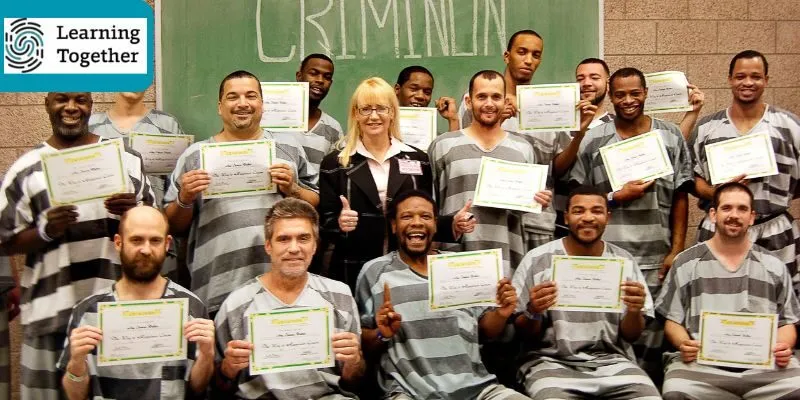
The evolution from purely punitive policies to structured offender rehabilitation programs is driven by data showing that harsh sentences alone rarely change behavior. Criminologists have demonstrated that combining cognitive-behavioral therapy, vocational training, and strong aftercare reduces the likelihood of reoffending.
Key Principles Guiding Effective Interventions
High-quality offender rehabilitation programs are built on several core principles such as risk, need, and responsivity. The risk principle states that higher-risk individuals should receive more intensive services, while the need principle focuses on addressing factors directly linked to criminal behavior, like antisocial attitudes or substance misuse. Responsivity emphasizes tailoring treatment to the individual’s learning style, culture, and motivation level.
The Role Of Community And Social Context
Even the best-designed offender rehabilitation programs can fail if they ignore the community context awaiting individuals after release. Successful reintegration depends on access to housing, employment, healthcare, and social networks that support law-abiding lifestyles. Community-based organizations, faith groups, and local employers all play a crucial role in providing opportunities and reducing stigma.
Core Components Of Offender Rehabilitation Programs That Work
Effective offender rehabilitation are rarely built on a single intervention; instead, they combine several complementary components. These elements address cognitive patterns, emotional regulation, job skills, and family relationships, forming a holistic strategy. When delivered in the right sequence and intensity, they create a structured pathway from custody or supervision to independent living.

Cognitive-Behavioral Therapy And Skills Training
Many offender rehabilitation programs place cognitive-behavioral therapy (CBT) at the center of their methodology. CBT helps participants identify distorted thinking patterns, impulsive reactions, and antisocial beliefs that fuel criminal behavior. Through group sessions and individual counseling, offenders practice problem-solving, anger management, and empathy.
Education, Vocational Training, And Employment Support
Without realistic job prospects, even motivated participants in offender rehabilitation programs may struggle to stay crime-free. Education and vocational training fill gaps in literacy, numeracy, and technical skills, preparing individuals for the labor market. Programs often partner with local businesses to create apprenticeships or transitional jobs that provide income and structure.
Mental Health, Addiction Treatment, And Trauma Services
A significant share of participants in offender rehabilitation live with co-occurring mental health disorders, addiction, or unresolved trauma. Ignoring these conditions can undermine all other interventions, as untreated symptoms often lead back to substance use or aggressive behavior. Integrated treatment models combine psychiatric care, medication management, and counseling with relapse-prevention strategies.
| Program Component | Primary Goal | Typical Duration | Evidence of Impact |
| CBT-based offender rehabilitation programs | Change criminal thinking and behavior | 3–12 months | Consistent reduction in recidivism |
| Vocational and educational training | Improve employability and income | 6–18 months | Higher employment and lower reoffending |
| Addiction and mental health treatment | Stabilize health and reduce relapse | Ongoing, phased | Lower substance-related crime |
| Community reentry support services | Secure housing and social support | 6–24 months | Improved long-term reintegration |
Implementing Offender Rehabilitation Programs In Different Settings
Designing strong offender rehabilitation is only half the challenge; implementation across prisons, probation services, and community centers is equally critical. Each setting has its own constraints, from overcrowded facilities to limited budgets and staff turnover. To maintain program integrity, agencies need clear protocols, staff training, and monitoring systems.
In-Prison Rehabilitation And Pre-Release Planning
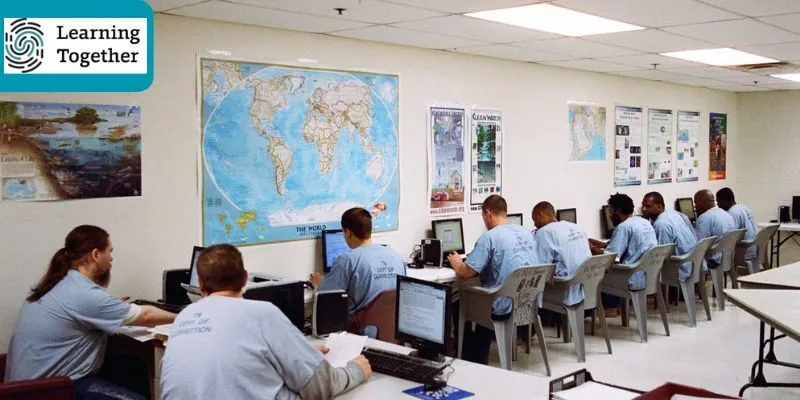
Inside correctional facilities, offender rehabilitation programs often start with assessments that identify risk levels and criminogenic needs. Based on these profiles, individuals are assigned to appropriate treatment groups, educational classes, or work programs. Pre-release planning is essential, linking participants with housing providers, employers, and community caseworkers before they leave custody.
Community-Based Supervision And Support
After release, community supervision agencies rely on offender rehabilitation programs to balance accountability with support. Probation and parole officers monitor compliance with legal conditions while also connecting clients to counseling, training, and social services. Graduated sanctions and incentives encourage positive behavior rather than focusing solely on violations.
Partnerships With Ngos, Employers, And Local Services
Public agencies rarely deliver all aspects of offender rehabilitation on their own; partnerships are essential. Non-governmental organizations provide specialized services like trauma counseling, restorative justice circles, or mentoring for youth. Employers who are willing to hire people with criminal records create crucial pathways to stability.
Measuring Success And Improving Offender Rehabilitation
To maintain credibility and funding, offender rehabilitation programs must demonstrate measurable results over time. Recidivism rates remain a key indicator, but experts now look beyond simple re-arrest data to track employment, housing stability, and improvements in mental health.
Key Performance Indicators And Outcome Tracking
Modern offender rehabilitation programs rely on robust data systems to monitor progress at both individual and program levels. Key performance indicators might include session attendance, completion rates, changes in risk assessment scores, and time to reoffending. By analyzing these metrics, managers can identify which groups benefit most, where dropouts occur, and how different components interact. T
Addressing challenges and barriers to effectiveness
Even well-designed offender rehabilitation face obstacles such as funding cuts, staff burnout, and political pressure for tougher sentencing. Stigma against former offenders can limit housing and job opportunities, undermining program goals. To overcome these barriers, agencies need strong leadership, advocacy, and community education campaigns that highlight evidence-based results.
Future directions and innovation in rehabilitation
As research advances, offender rehabilitation programs increasingly incorporate technology, personalized assessments, and restorative practices. Digital learning platforms allow participants to continue education remotely, while risk assessment tools use data analytics to tailor interventions. Restorative justice approaches invite victims and communities into the process, promoting accountability and healing.
Conclusion
Across the world, offender rehabilitation programs are proving that a smarter, evidence-based approach to crime can protect communities while giving individuals a genuine chance to change. By addressing criminogenic needs, offering education and employment pathways, and treating mental health and addiction, these initiatives cut recidivism and reduce the social costs of incarceration.